Projects
FiQuest - A Fintech CRM
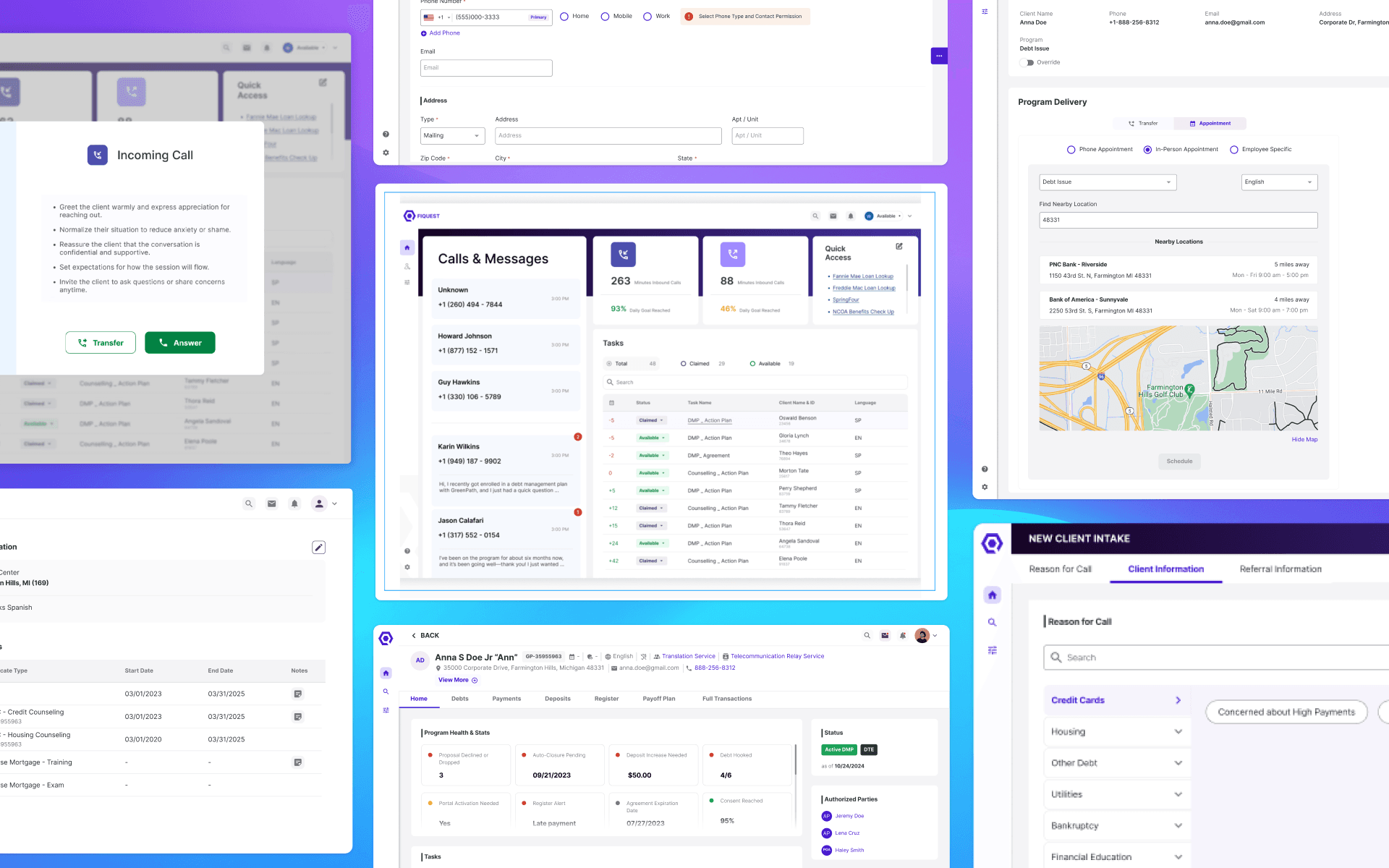
Transforming fragmented workflows into a unified CRM system that boost work efficiency
ROLE
Lead Designer
TOOLS
Figma, Mural, Teams, UserTesting.com
CONTEXT
The existing employee-facing CRM was built on fragmented workflows that forced counselors and support staff to jump across multiple systems to complete even basic tasks. Core interactions lacked fundamental form validations, increasing the risk of errors and rework, while inconsistent structures made processes difficult to follow and standardize across teams. To compensate, employees relied heavily on external tools like OneNote to track talking points, document client interactions, and manage their day-to-day workflows—creating a disconnected experience where critical information lived outside the system. As a result, efficiency suffered, onboarding new hires was challenging, and the organization struggled to deliver consistent, high-quality service at scale.
Being a Fly on the Wall - Shadowing Financial Counselors
To better understand counselors' day-to-day work, I shadowed them during live client sessions by watching how they actually worked, what they clicked, where they paused, and how they handled different situations in real time.
This gave me a clear view of their workflow and helped uncover gaps that weren’t obvious from looking at the system alone. It showed me where things felt slow, confusing, or unnecessarily complex.
These observations became the foundation for identifying key pain points and opportunities for improvement.
Service Blueprint
To better understand how counselors and clients interact throughout the Debt Management Program, I created a service blueprint that maps both perspectives across the full journey.
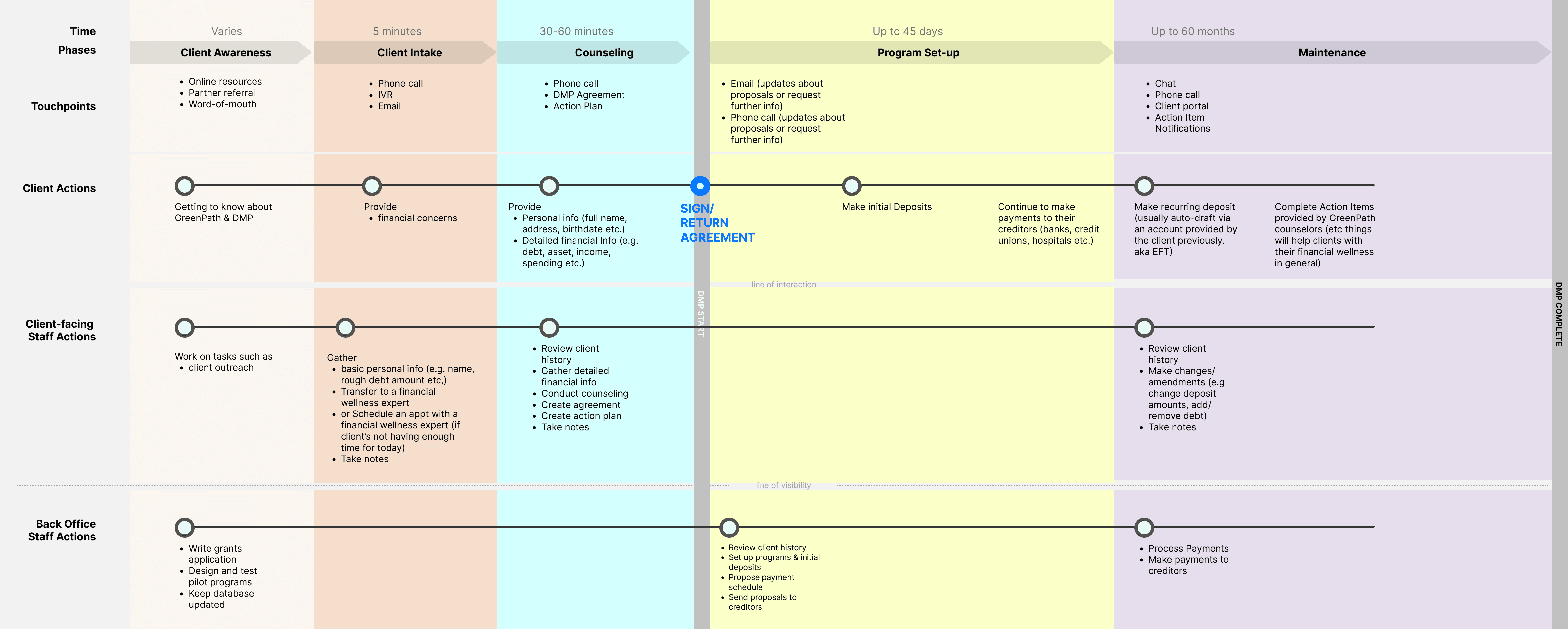
The blueprint allowed me to visualize the end-to-end service, from client touchpoints to counselor actions and supporting systems, revealing gaps, inefficiencies, and moments of friction that were not obvious at the interface level. This holistic view helped me understand how the service is actually delivered.
Cognitive Overload - Managing Multiple Disconnected Systems Overwhelms Counselors
Even for a simple request, counselors had to use multiple tools, switching between systems, notes, emails, and calculators. What made it harder was that this often happened while they were on a call with a client.
Instead of focusing on the conversation, they had to split their attention across different tools, trying not to miss anything.
Over time, this constant juggling led to stress, mistakes, and a feeling of being overwhelmed.
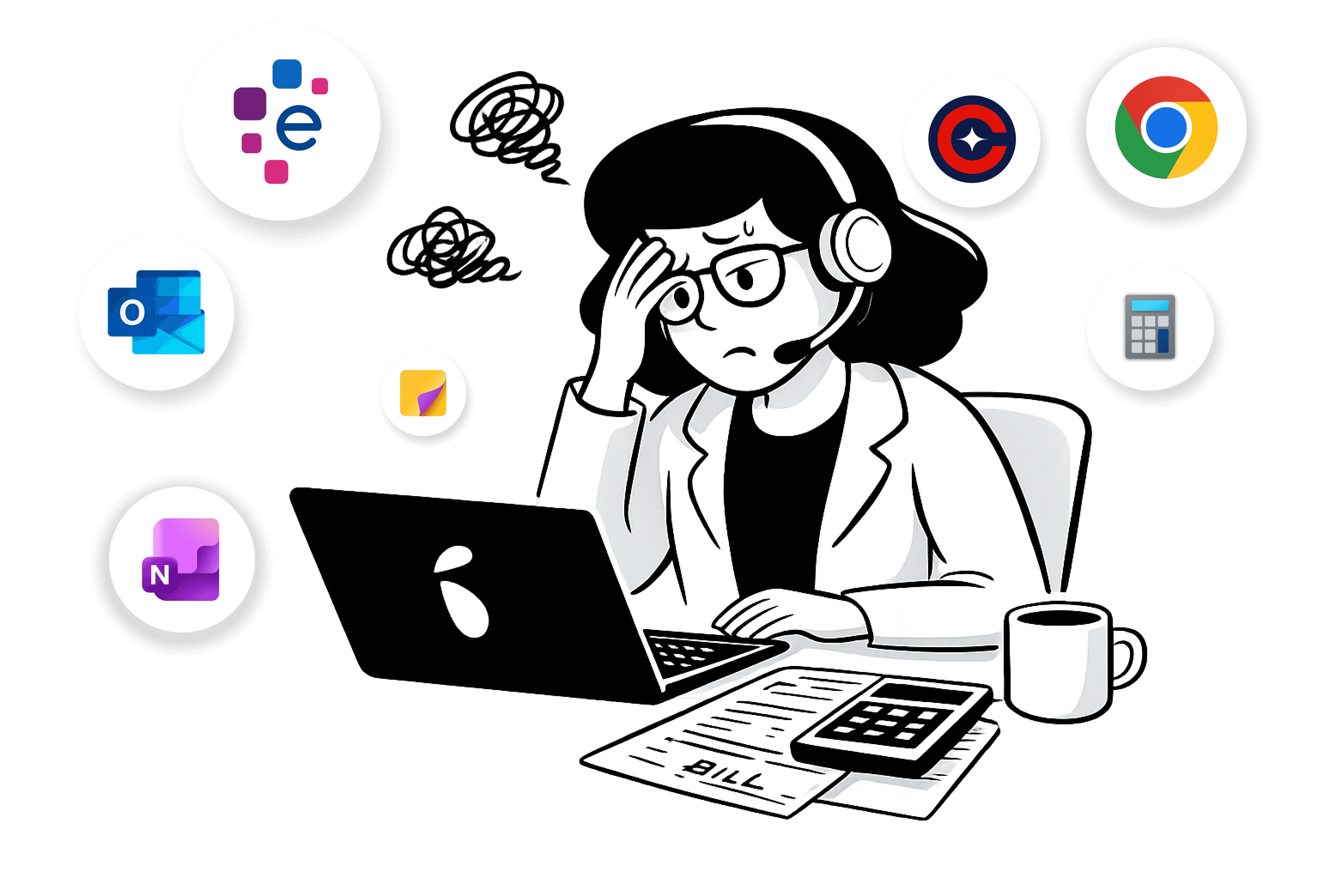
HMW simplify counselors’ workflows so they can focus fully on helping clients instead of managing multiple tools?
The Million Dollar Question
Workflow Mapping Existing vs Proposed
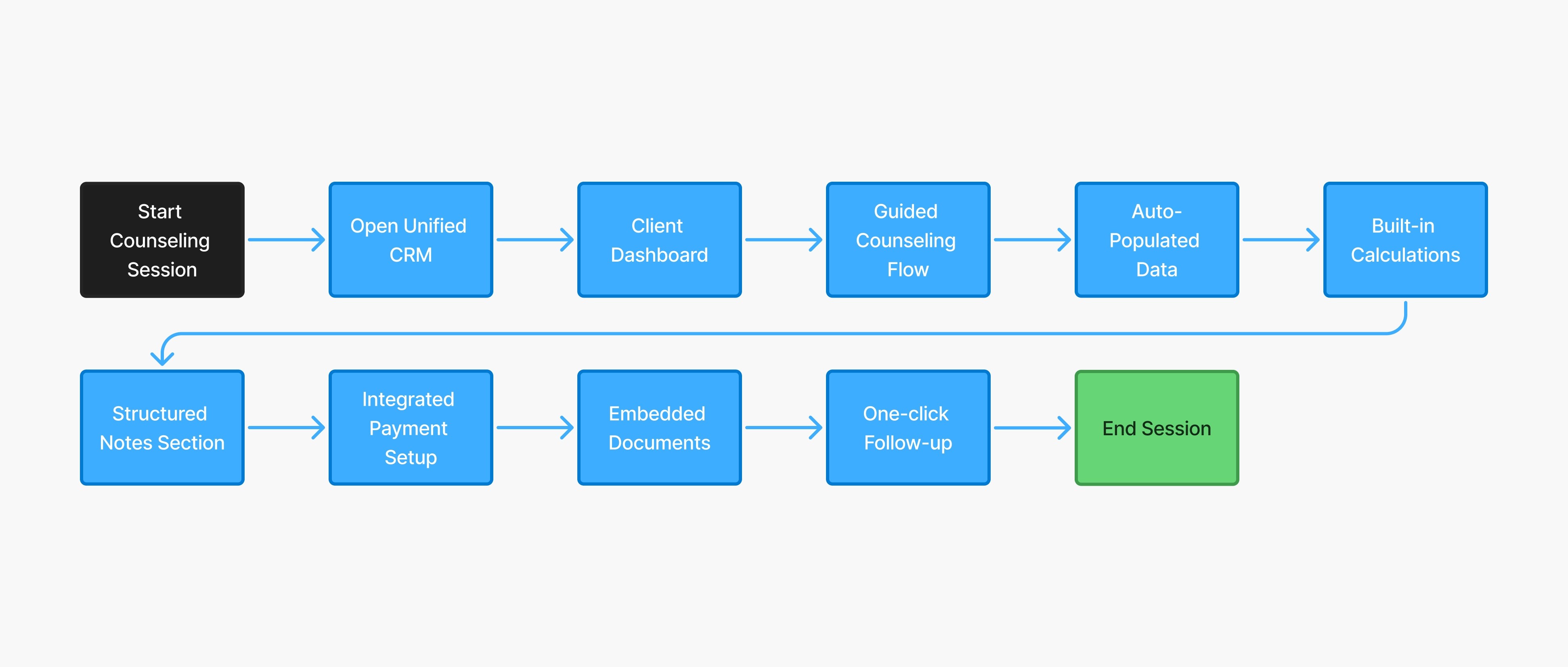
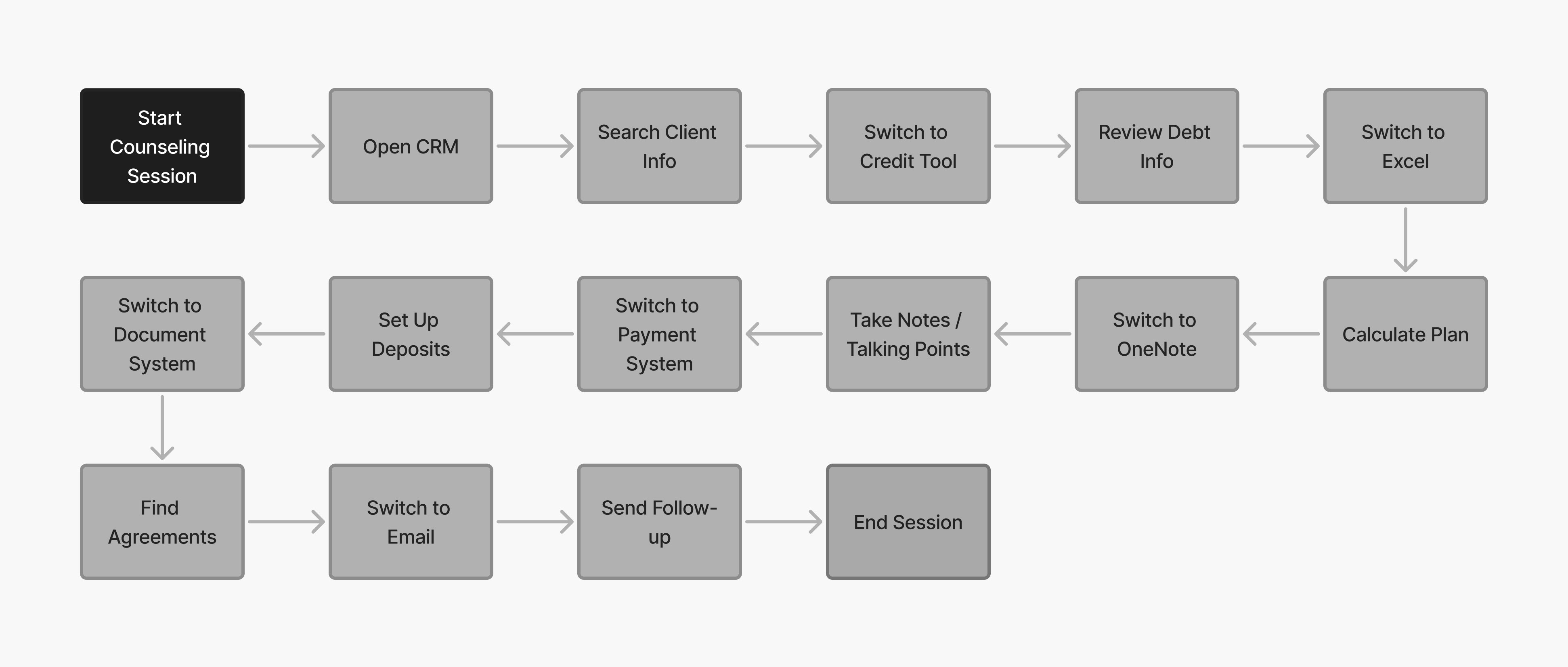
E.g. Client-Intake Workflow
The proposed flow focuses on the following key improvements.
Single System —> Reduced context switching
Externalized Memory —> Offload counselors' tasks in working memory to the system
Built-in validation —> Error prevention, no need to figure out why the system fails
Standardized workflows —> consistency across intake, counseling, and maintenance teams
Faster, more focused counseling sessions —> allowing humans to focus on what they actually good at
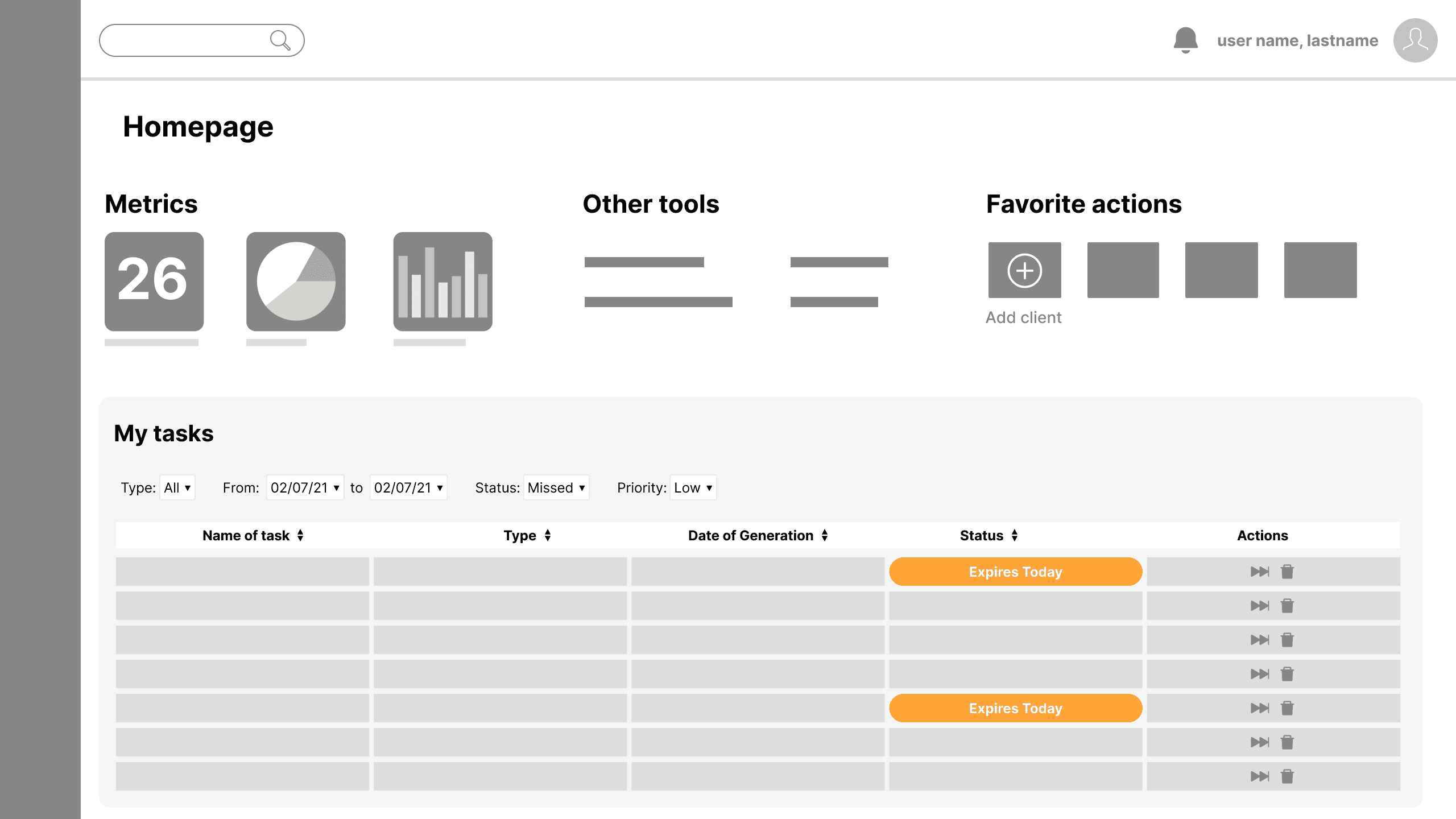
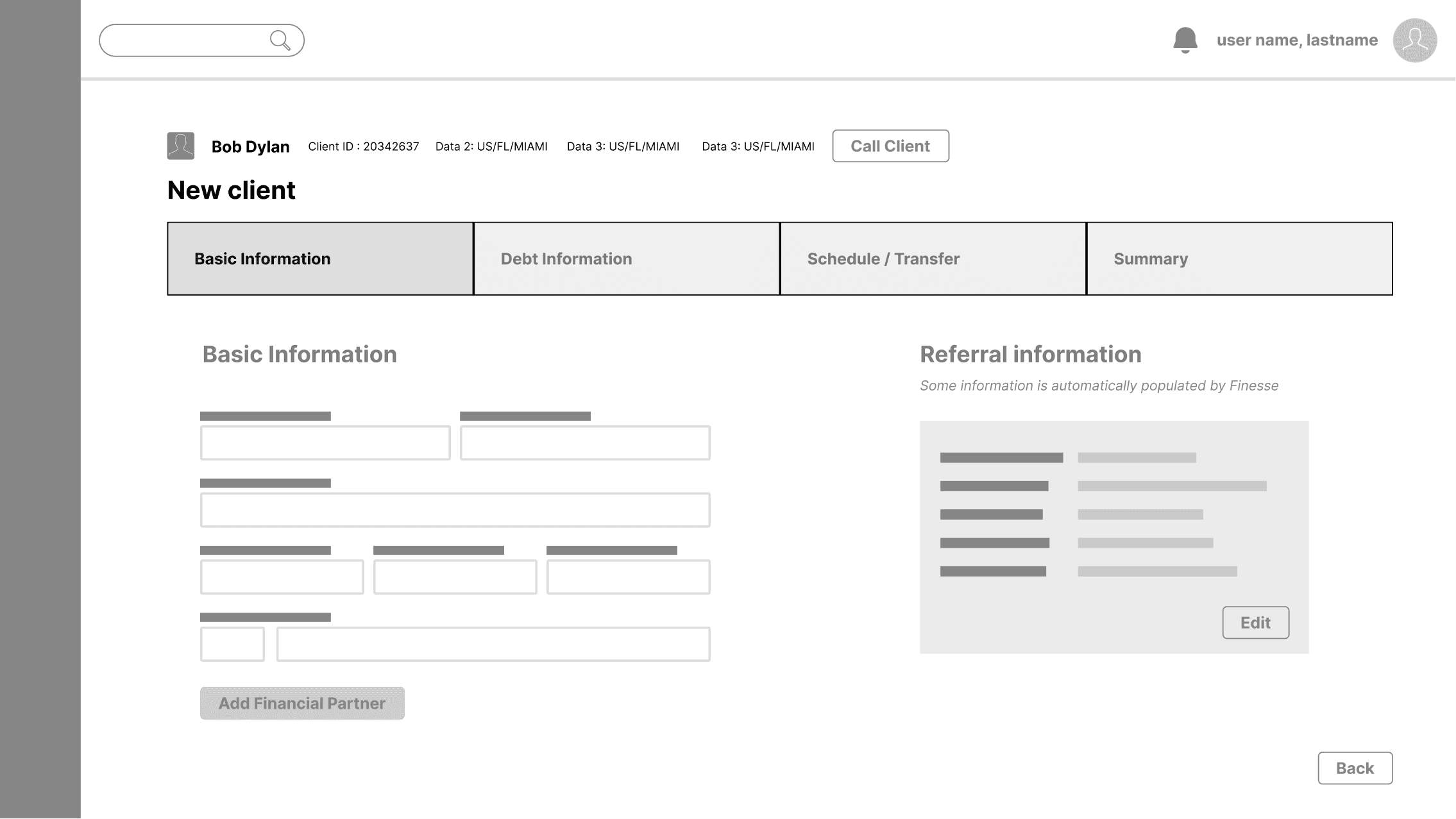
Low-fidelity Sketches
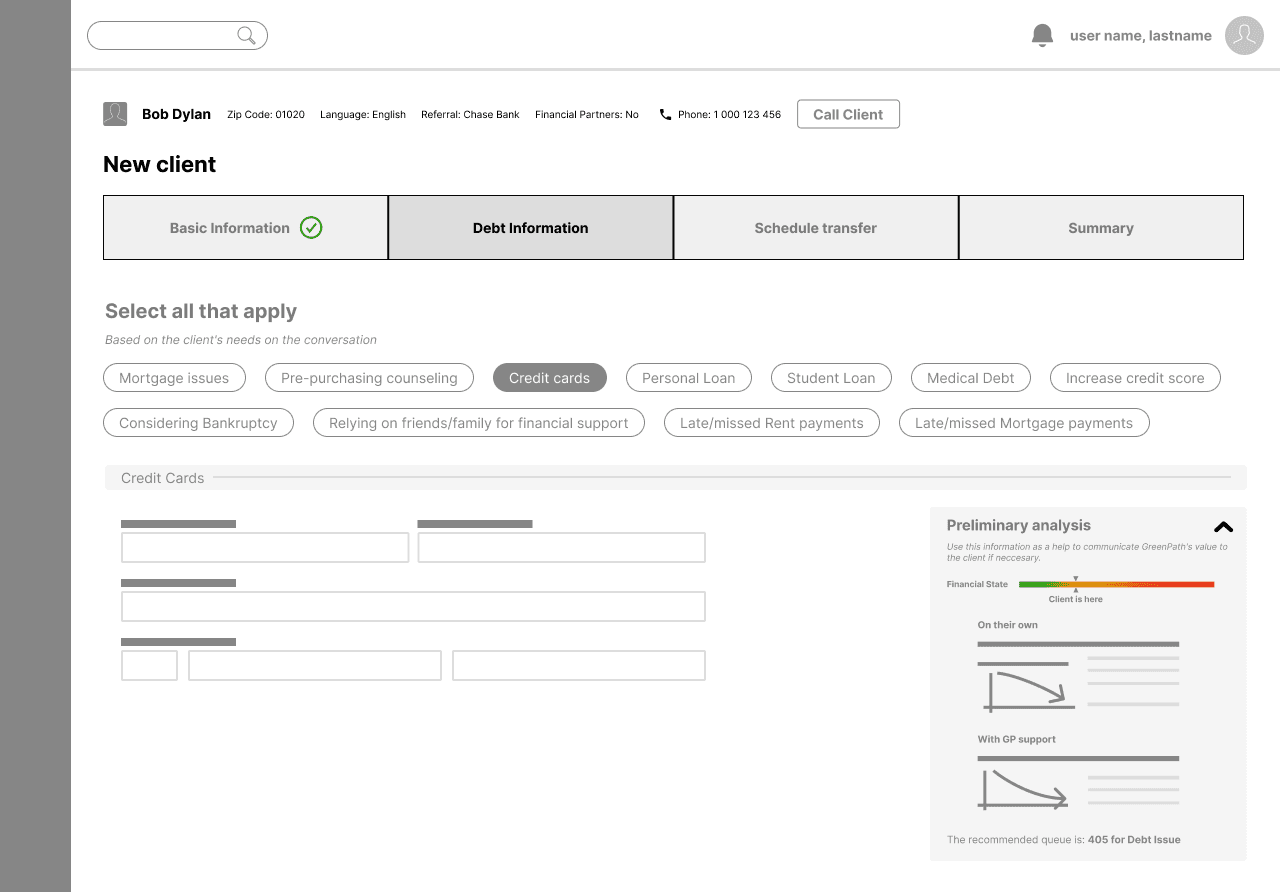
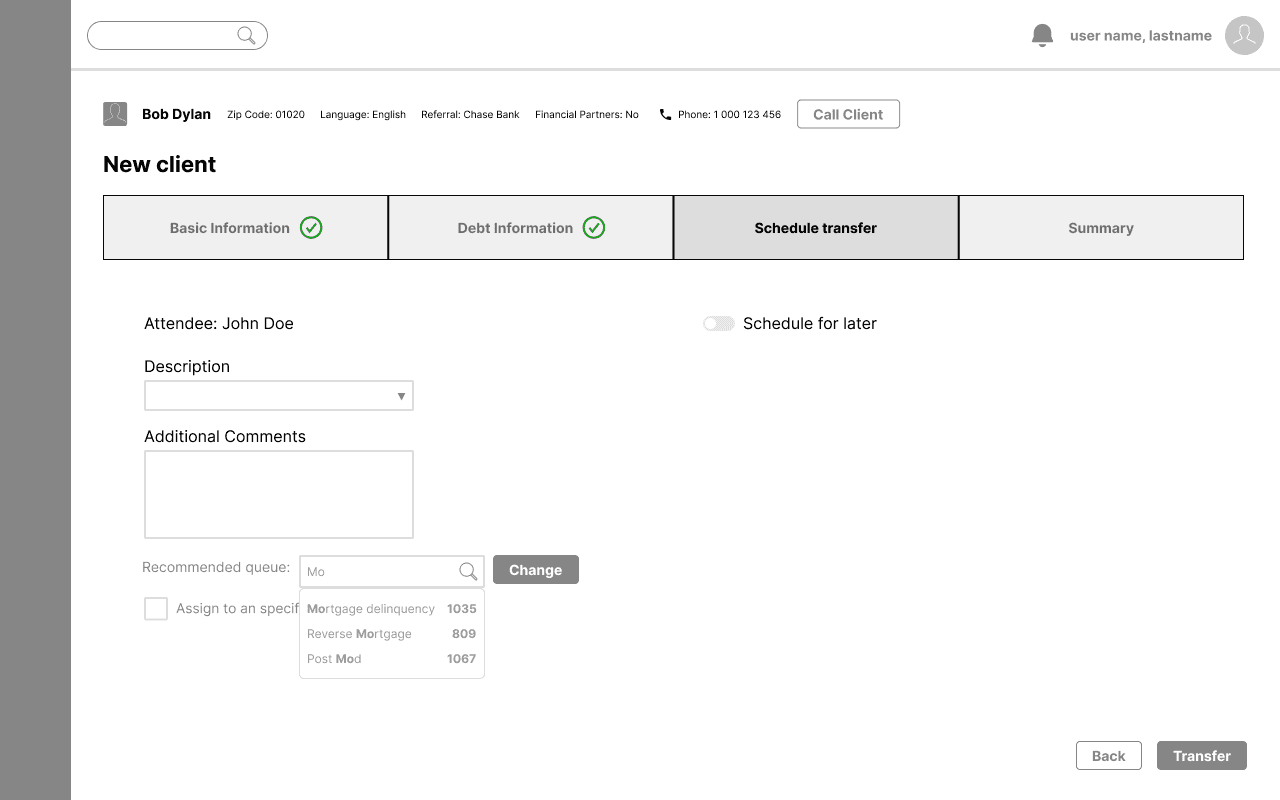
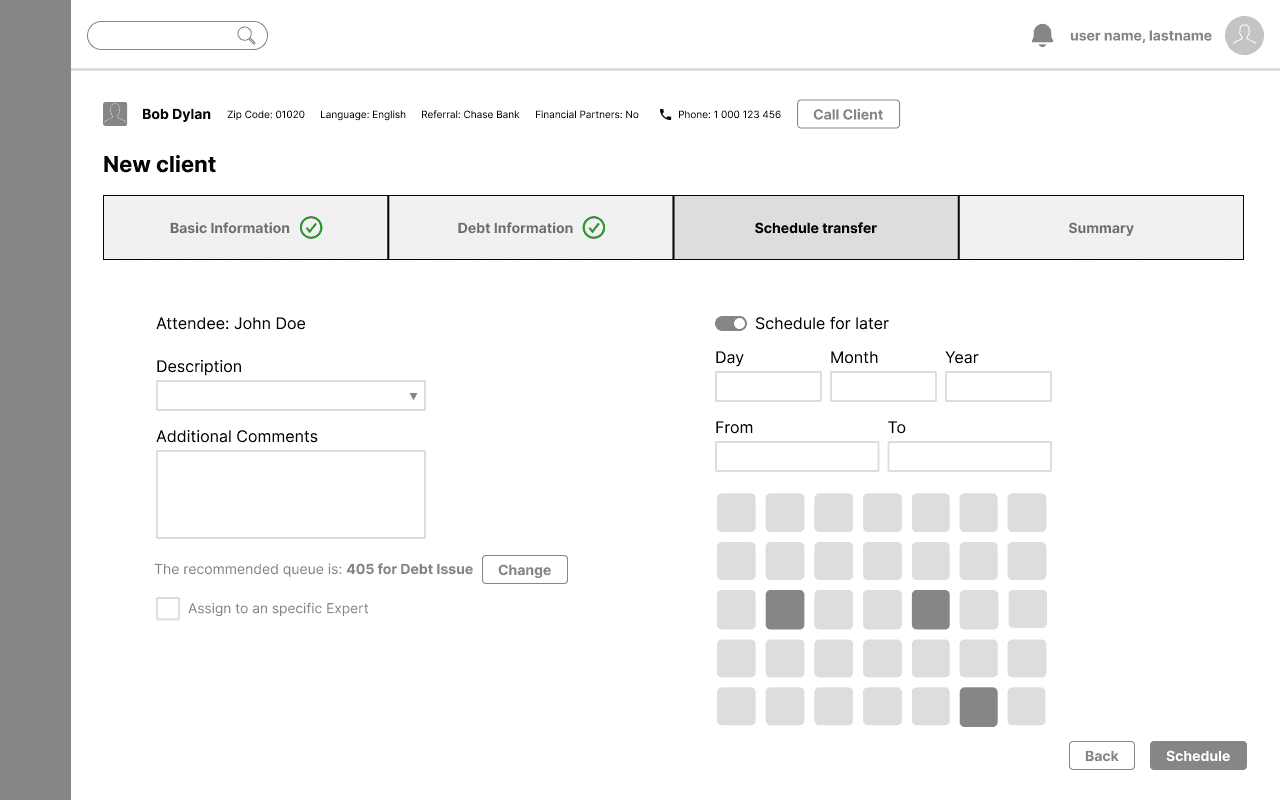
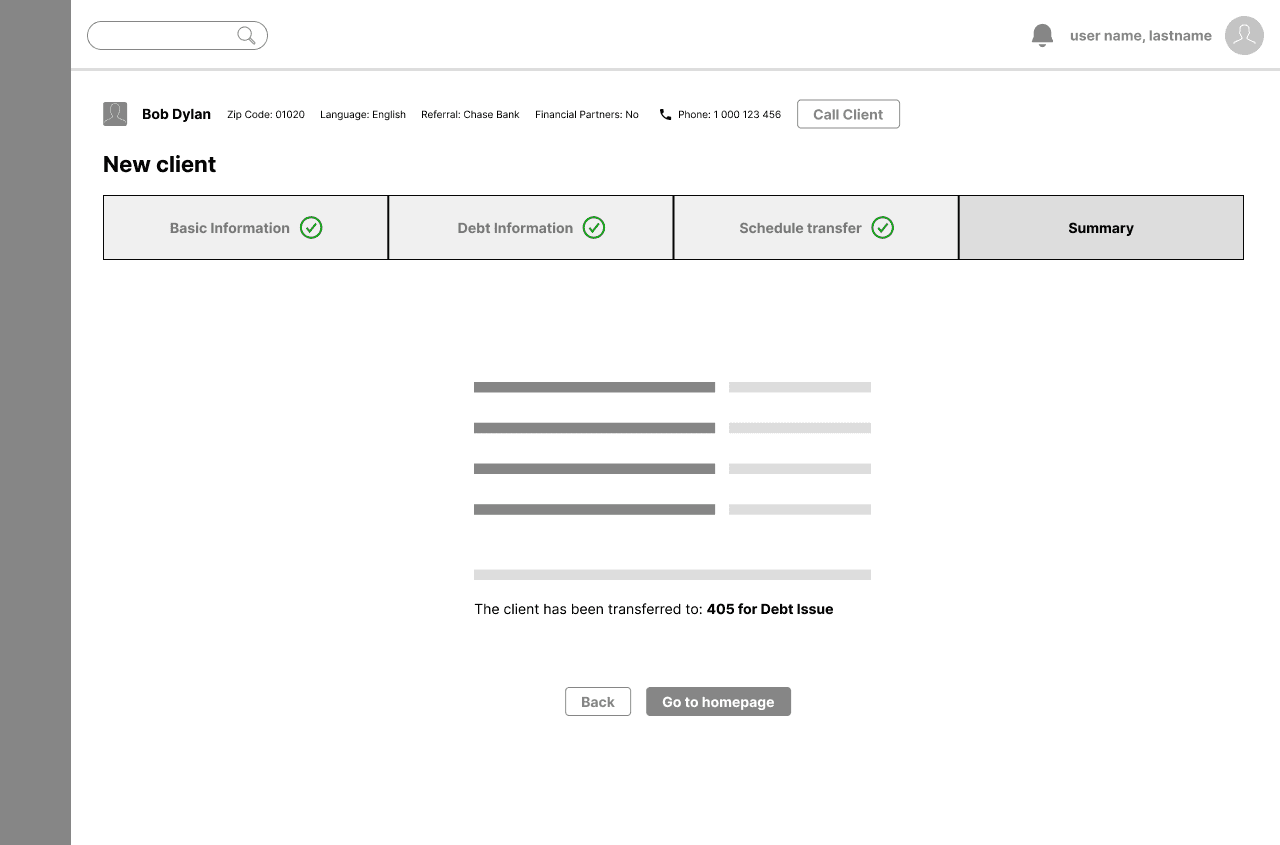
In the low-fidelity phase, the design focused on consolidating the fragmented toolset into a single, unified workspace. I Integration is the core principle, reducing context switching and allowing counselors to stay focused on the conversation with clients.
Mid-fidelity Screens
We shared the low-fidelity concepts with stakeholders and end users to validate the direction early. Their feedback helped us refine key interactions and priorities, which we then translated into mid-fidelity screens.
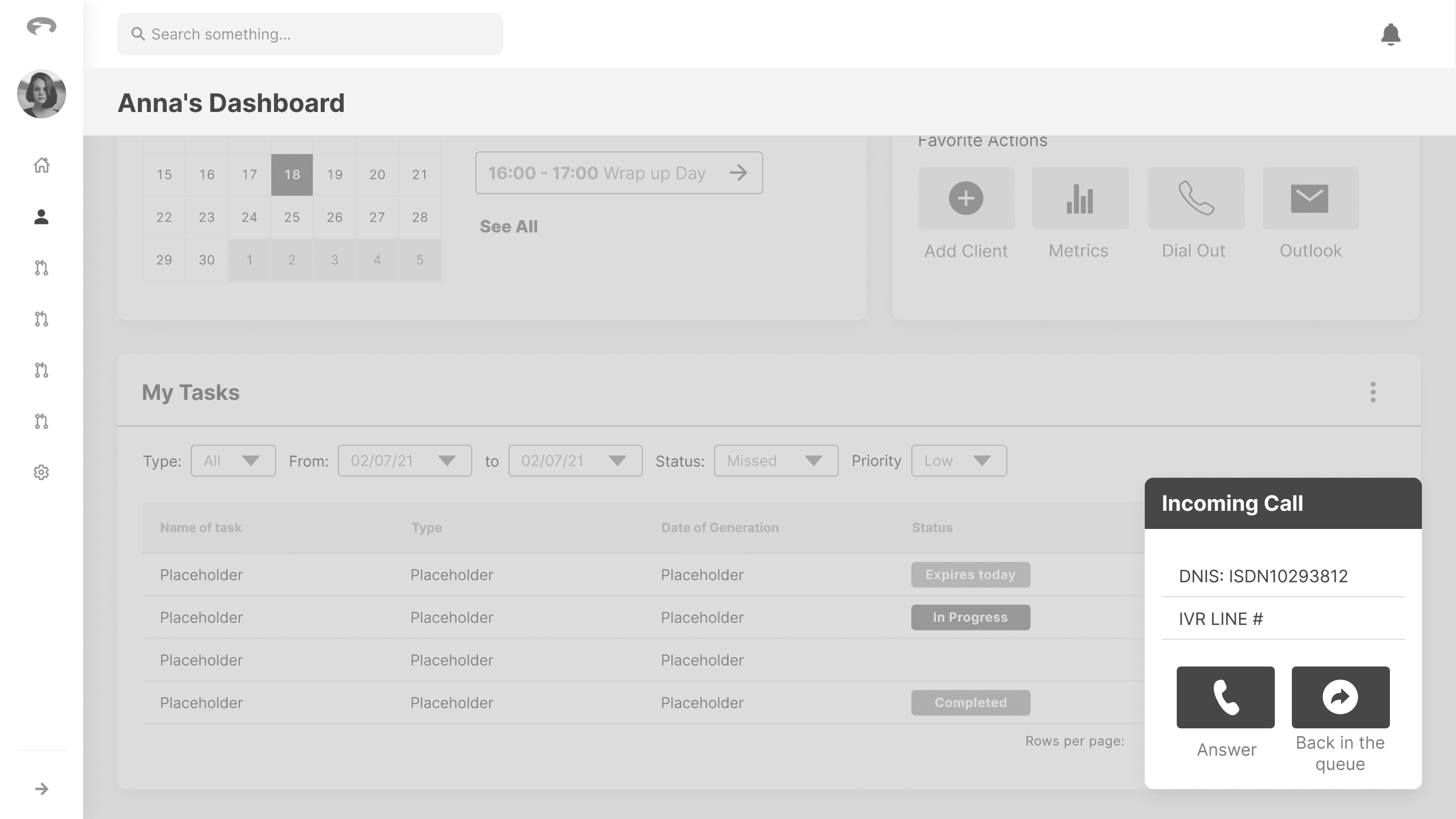
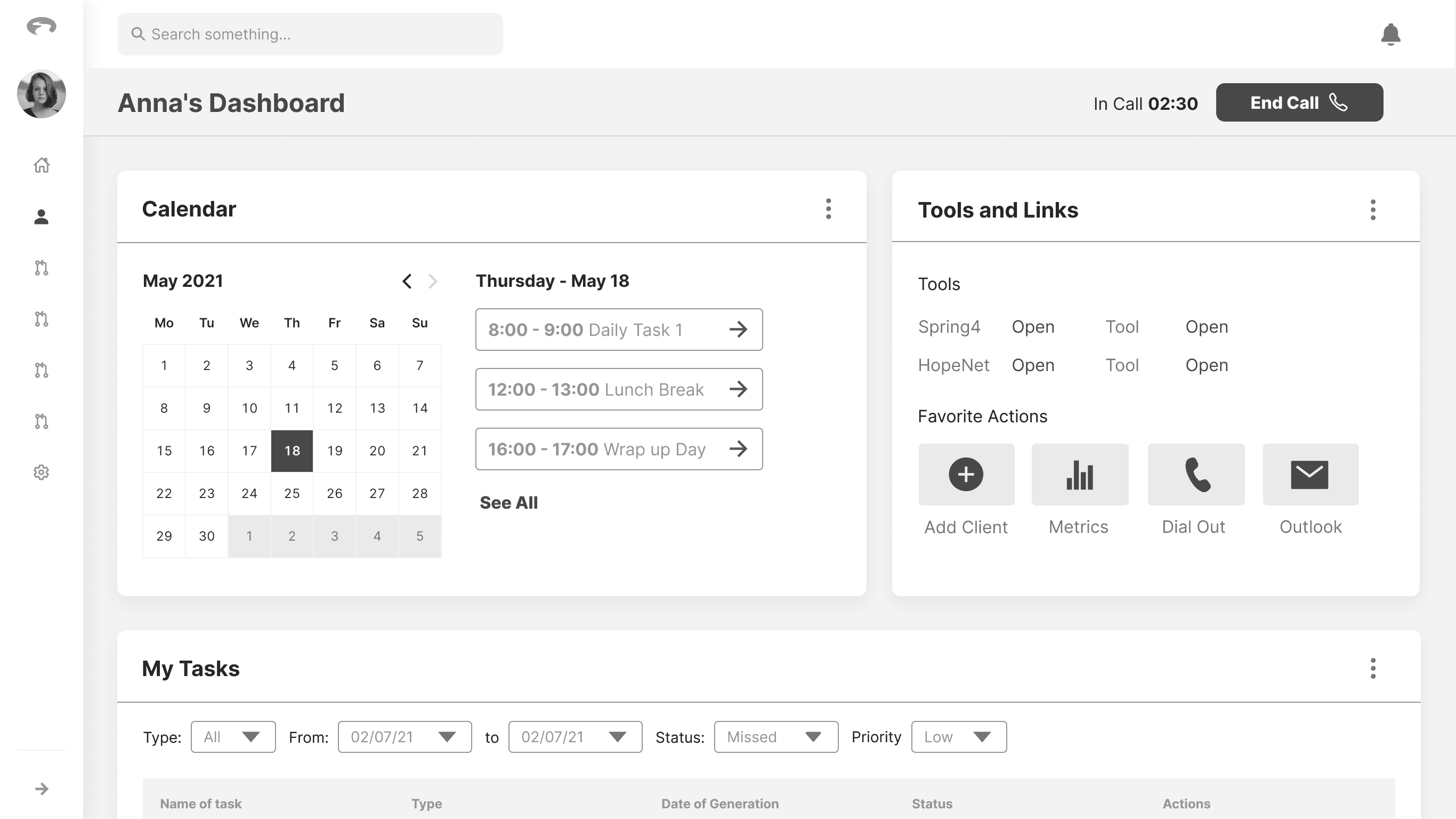
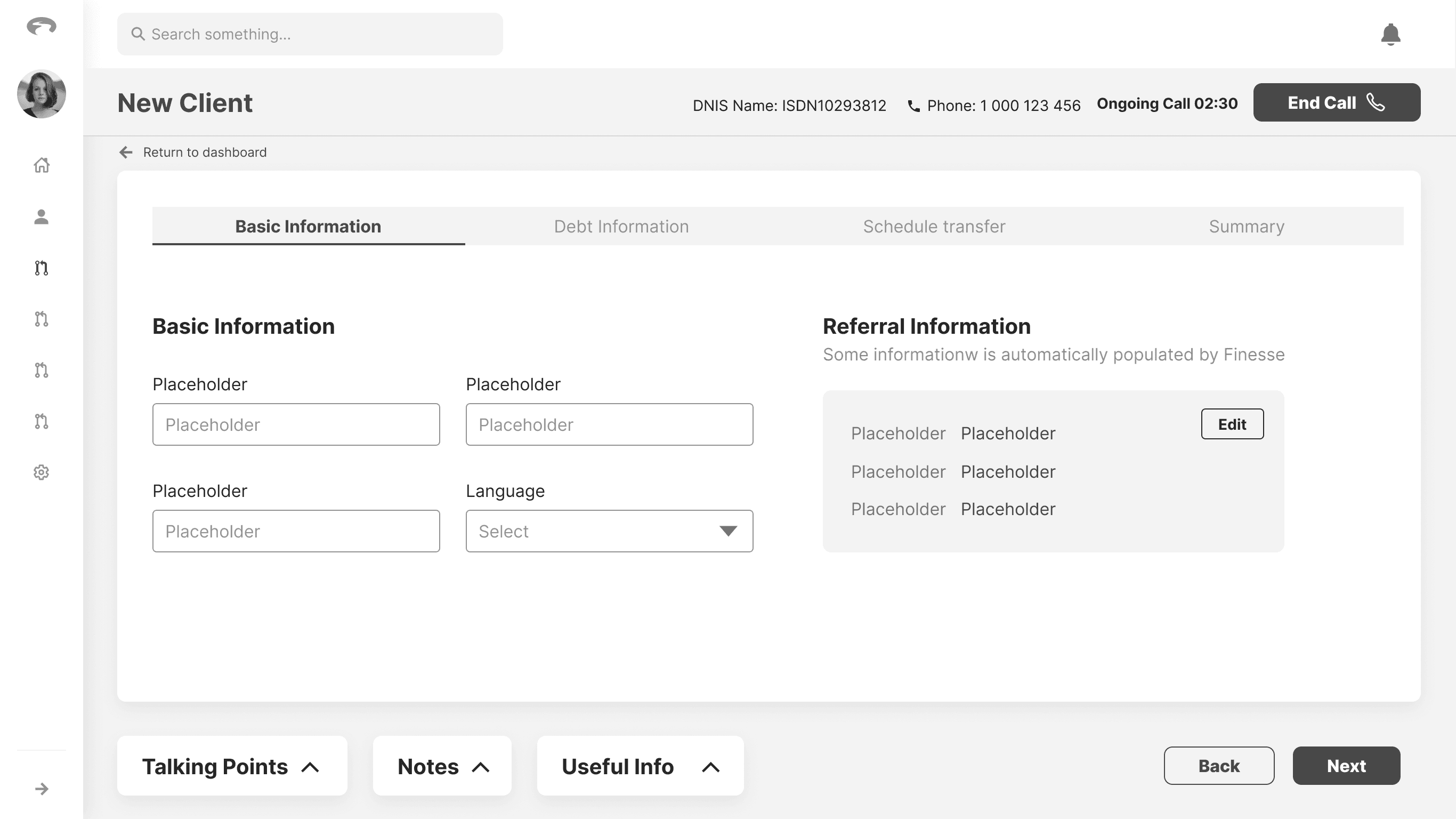
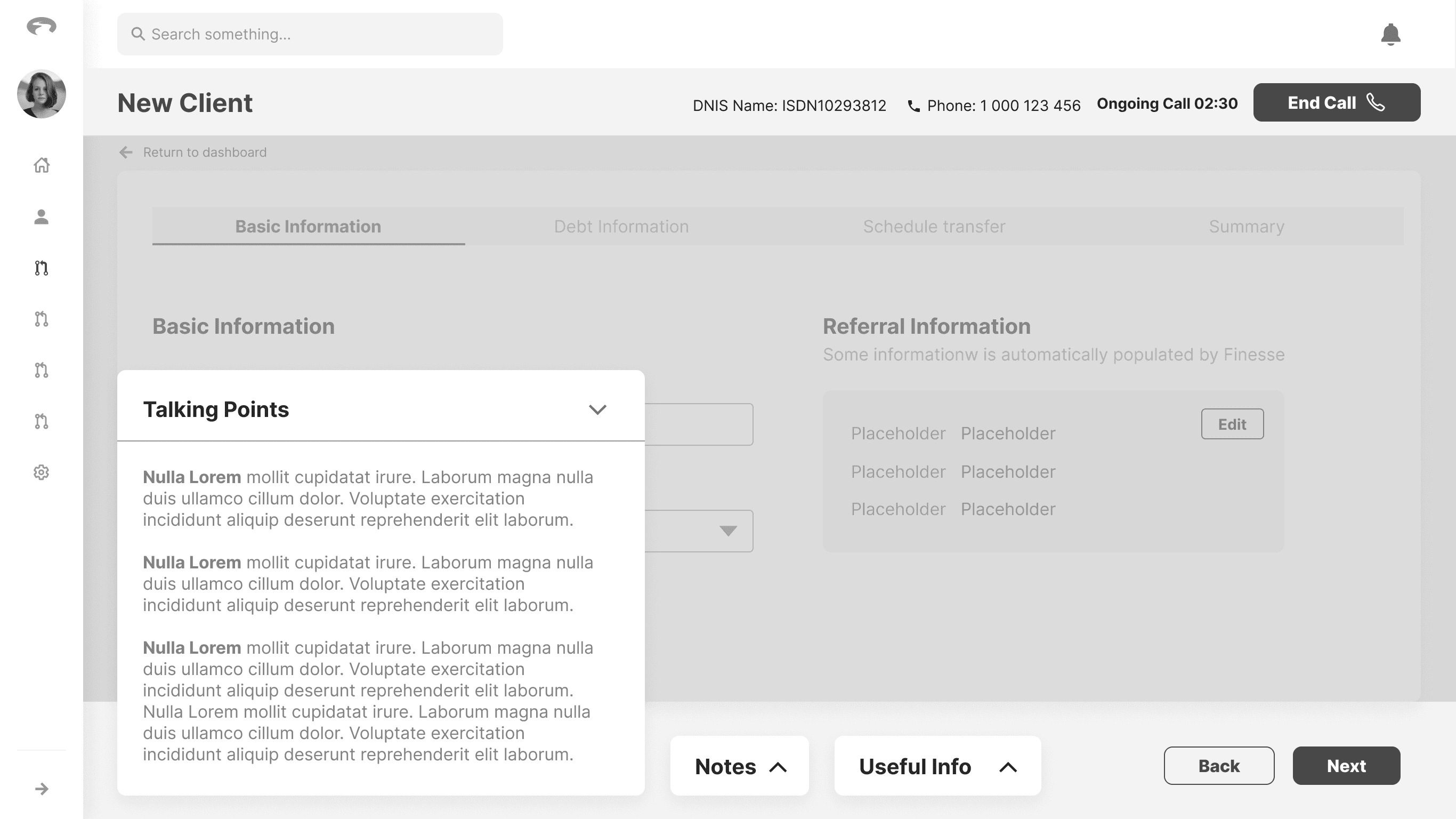
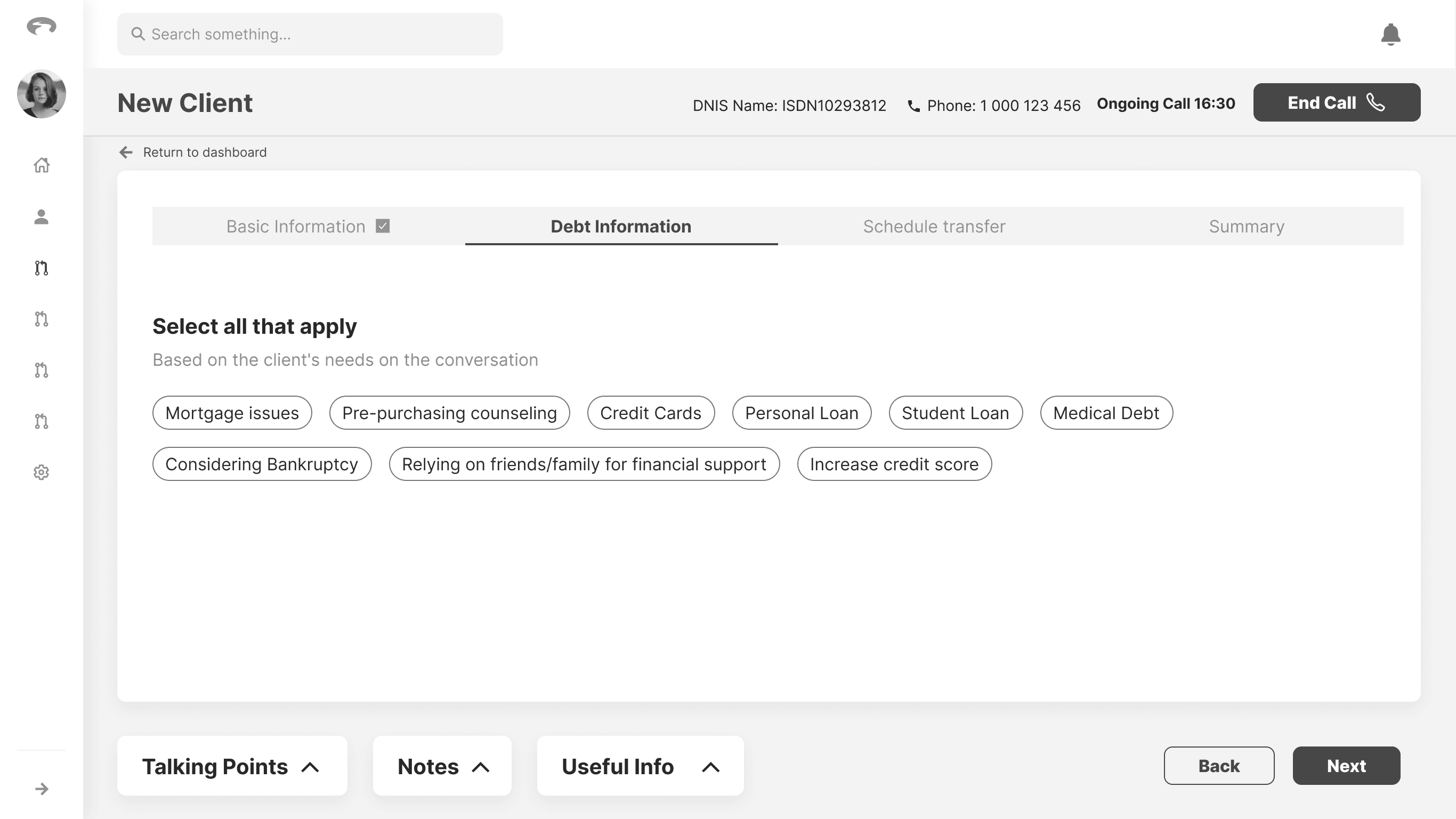
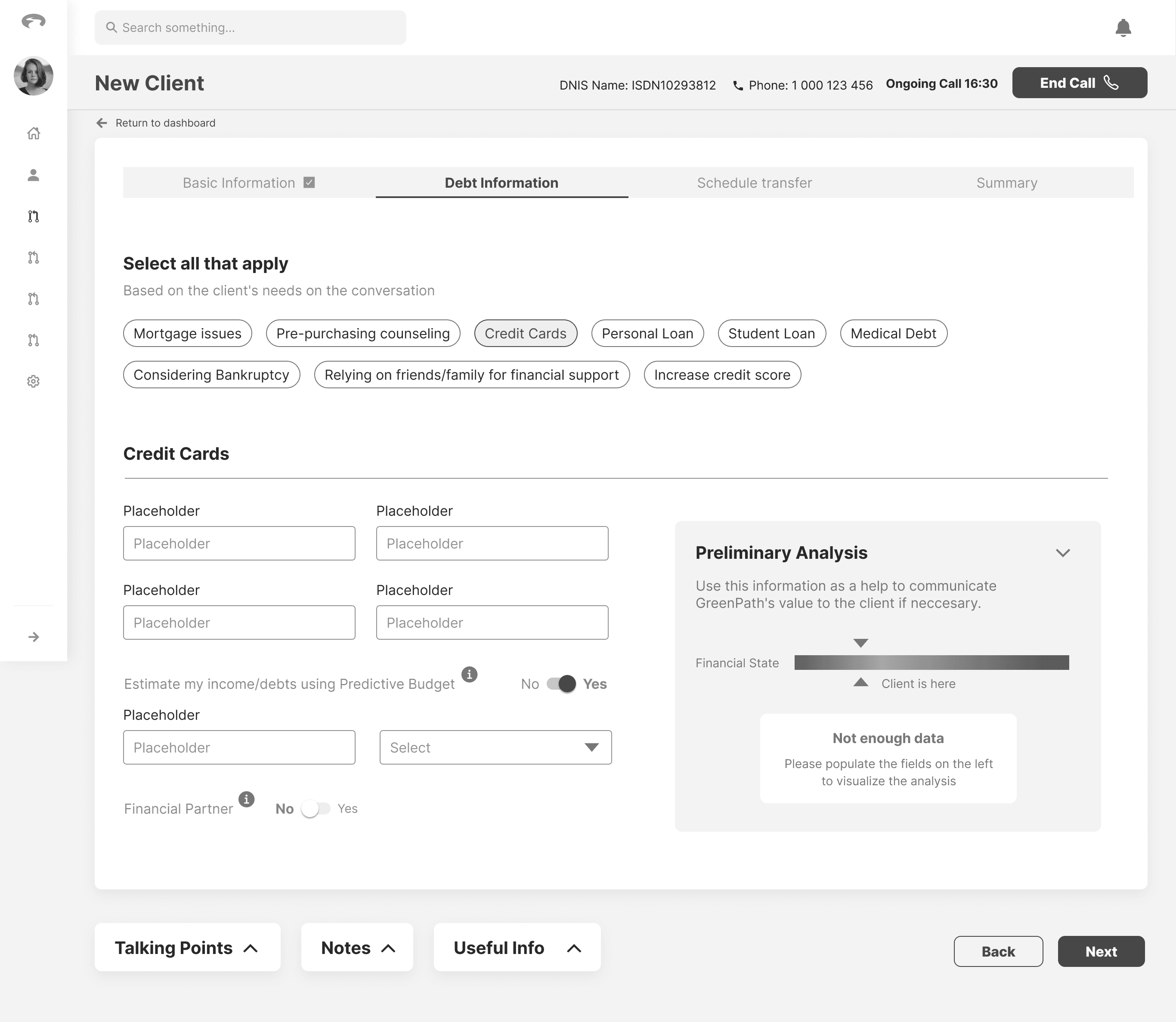
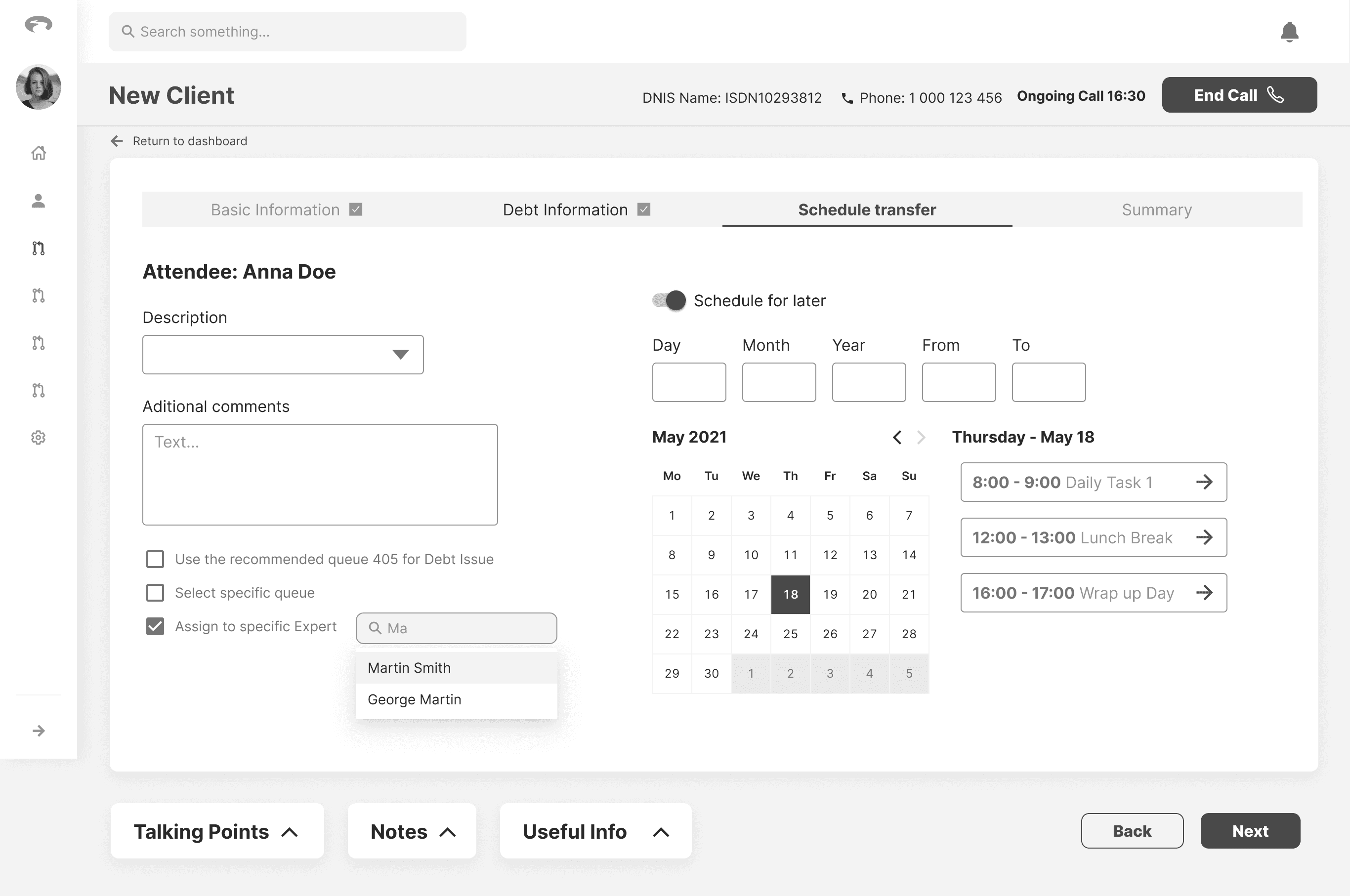
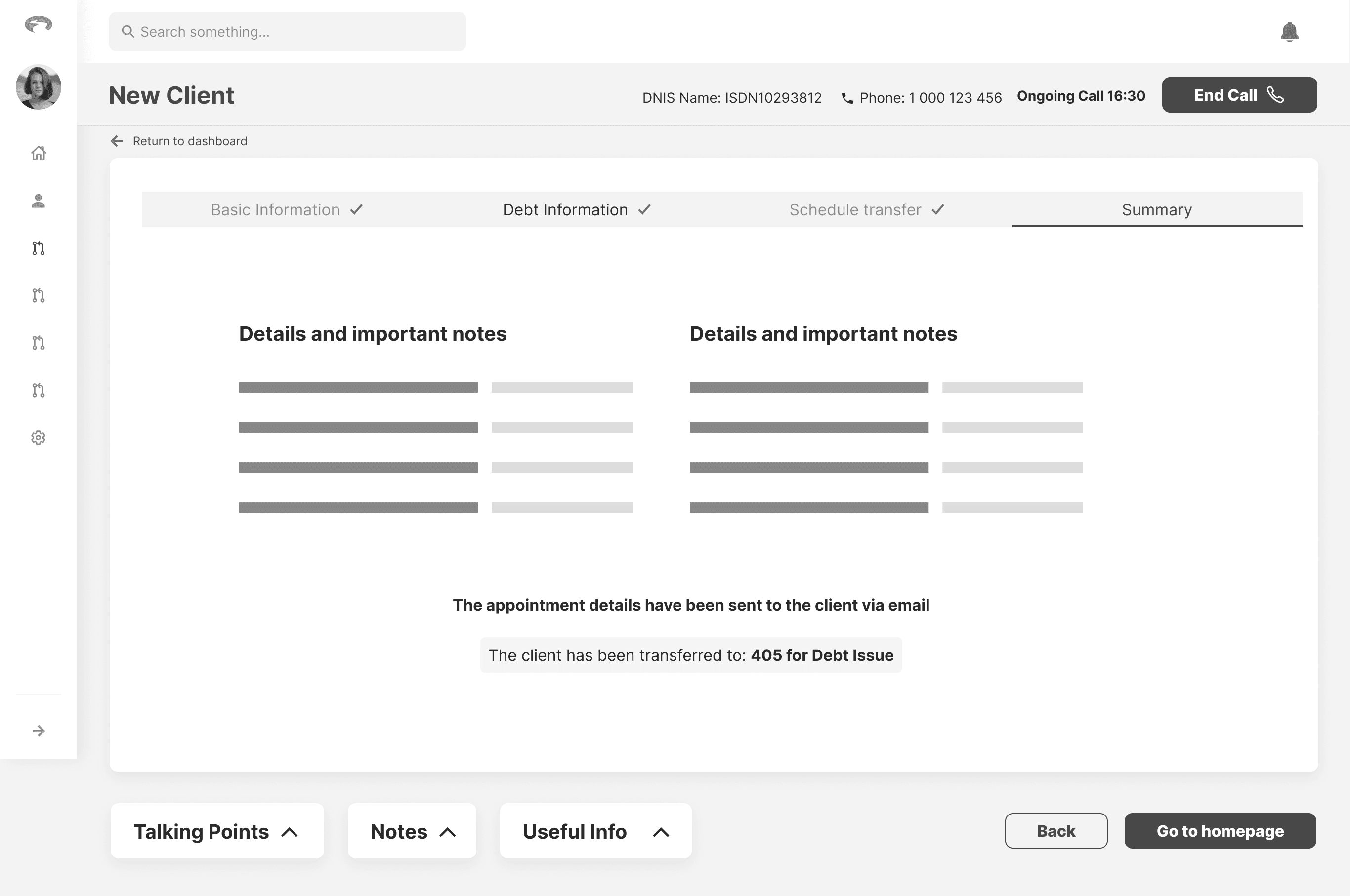
Final Designs
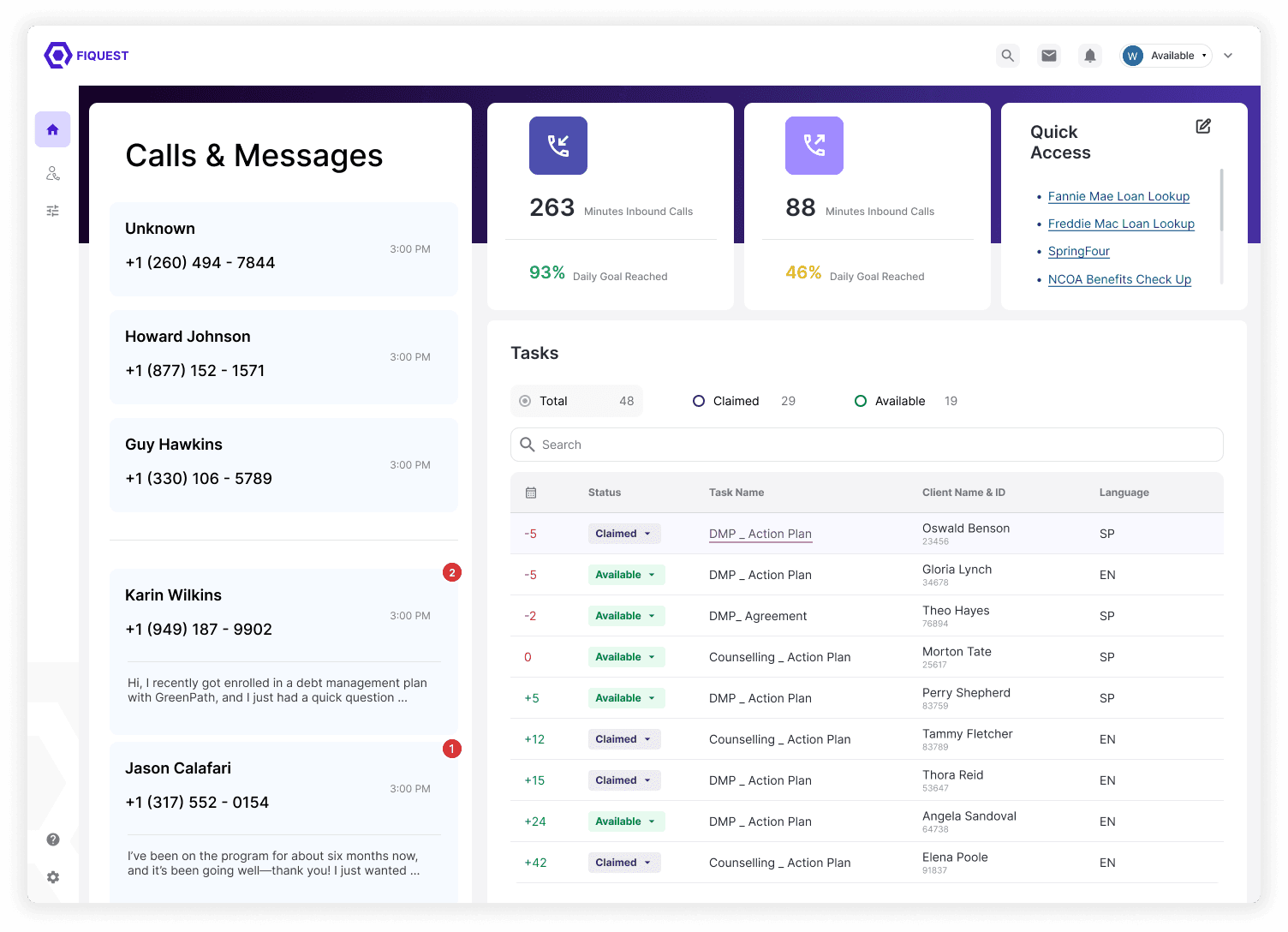
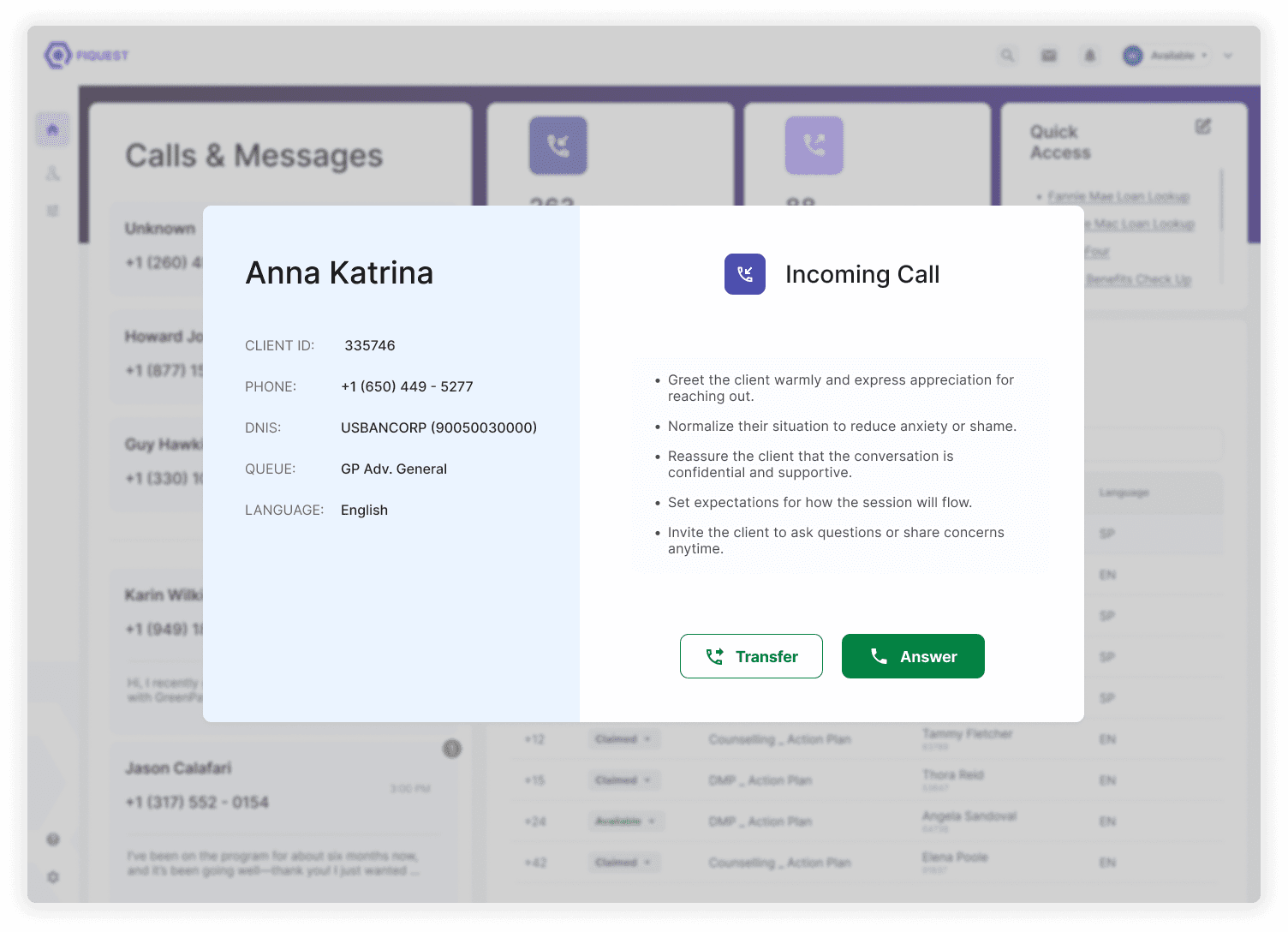
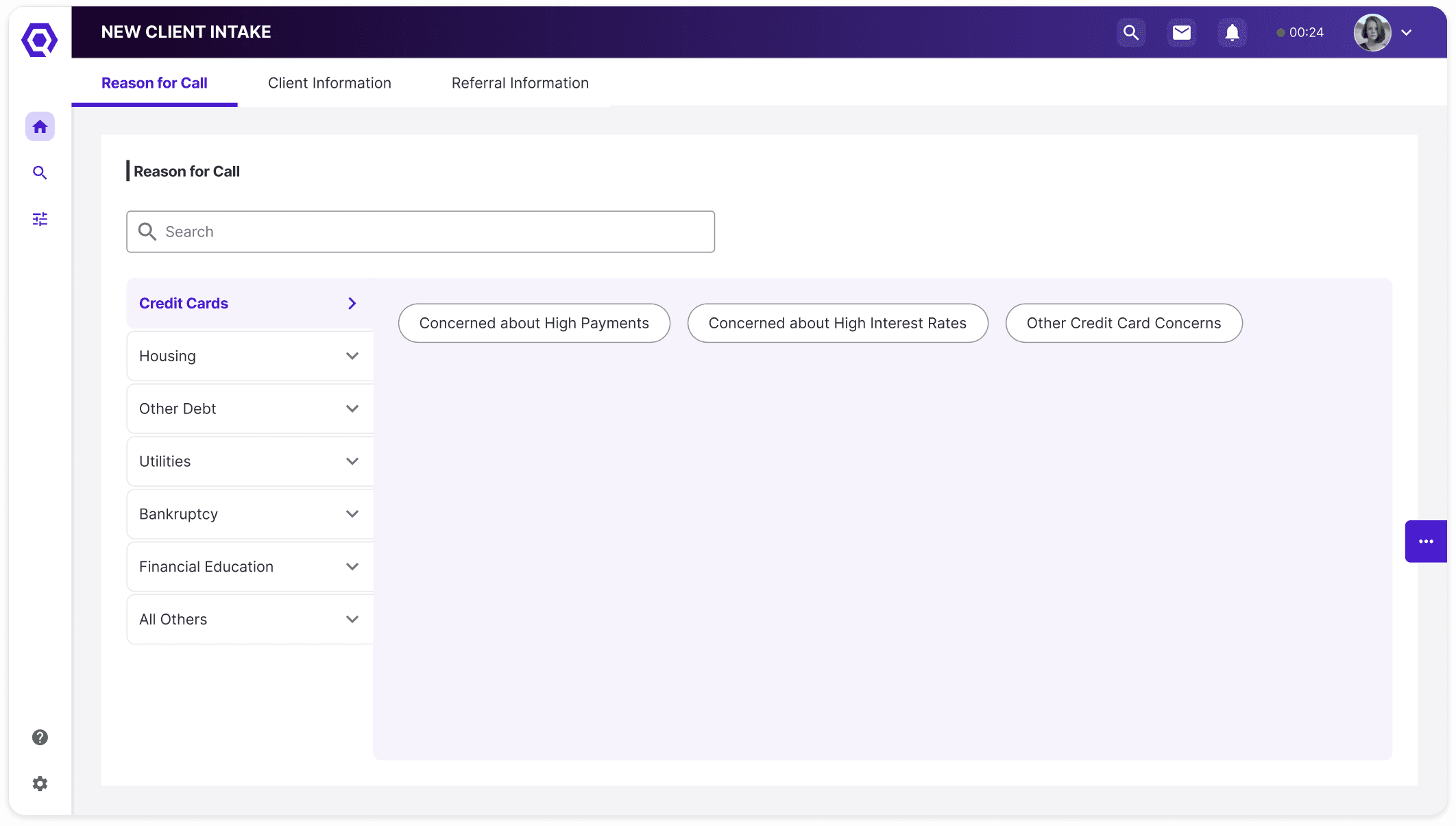
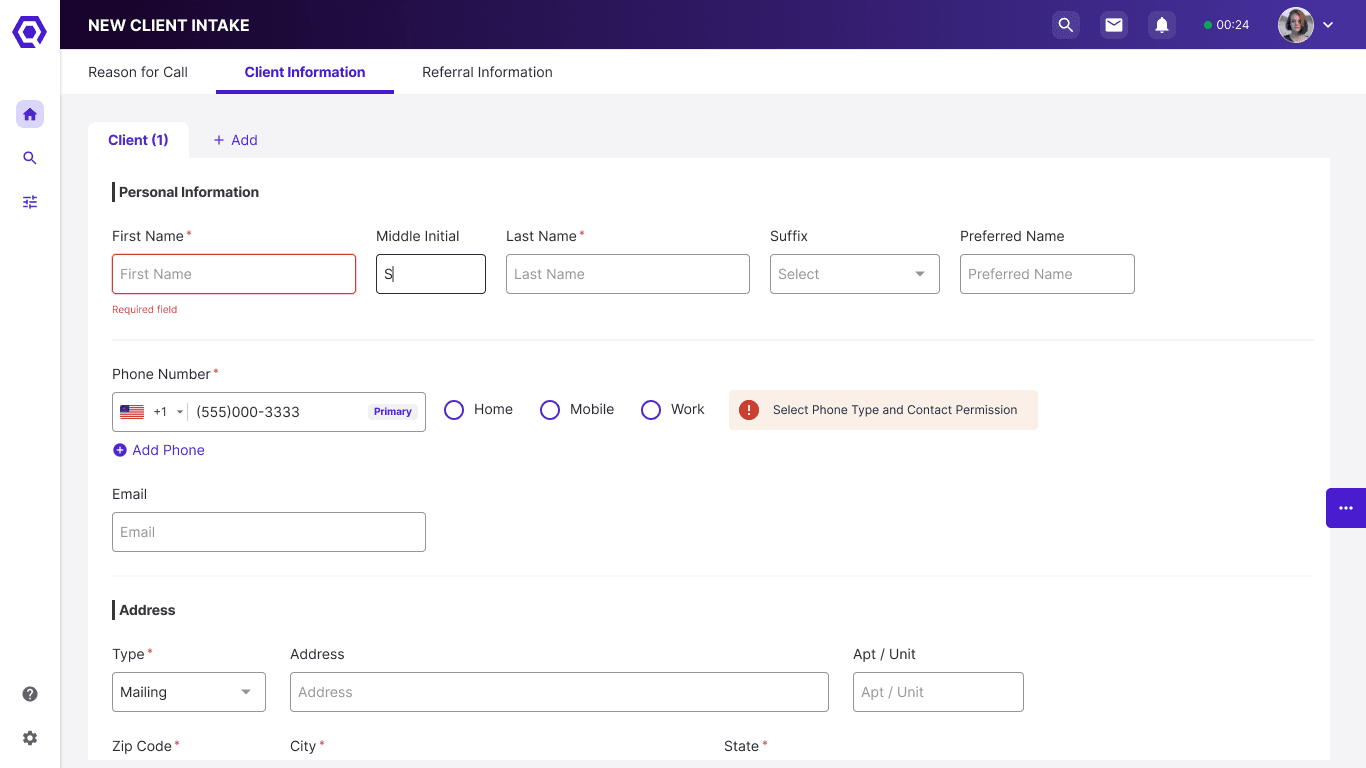
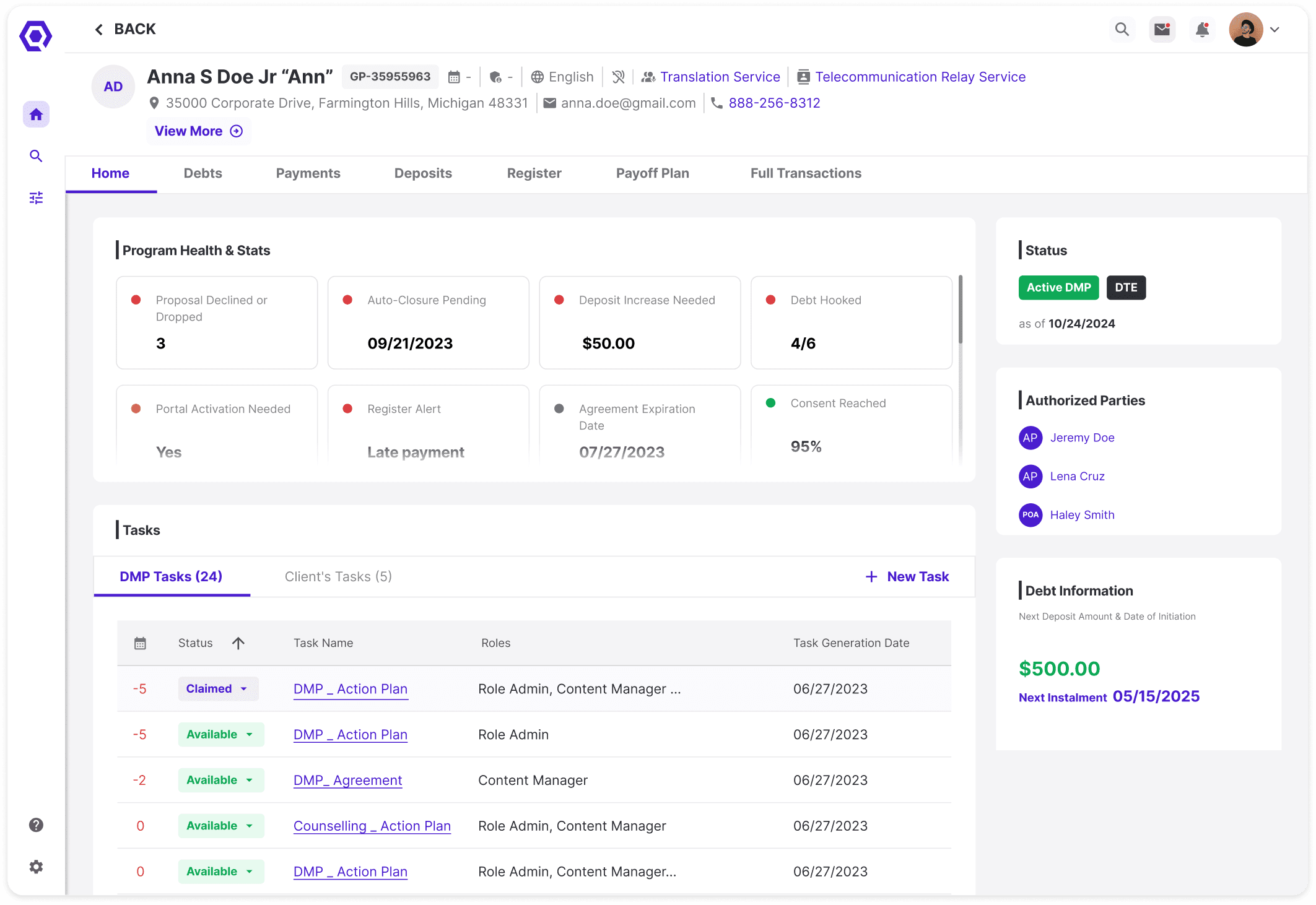
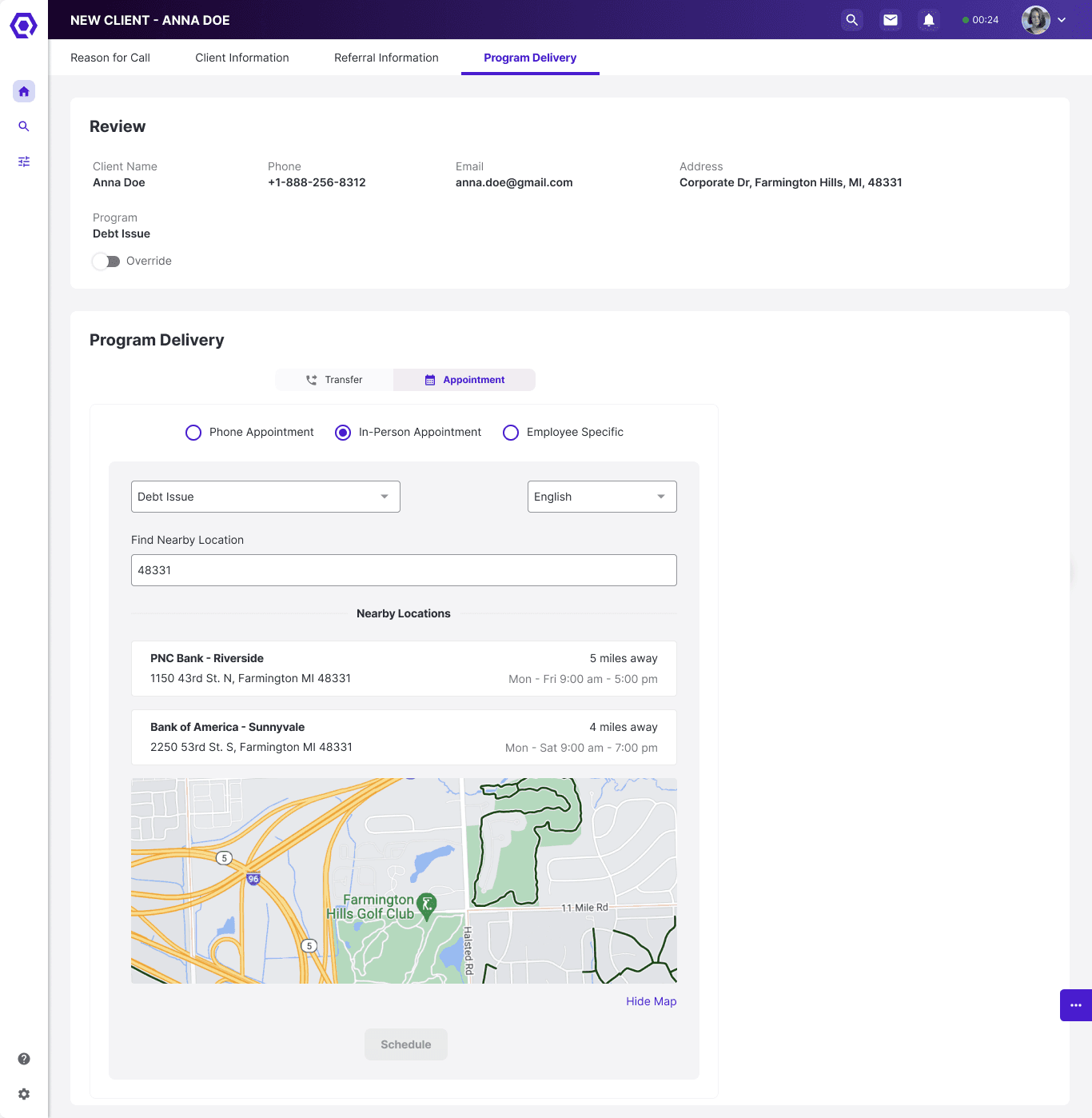
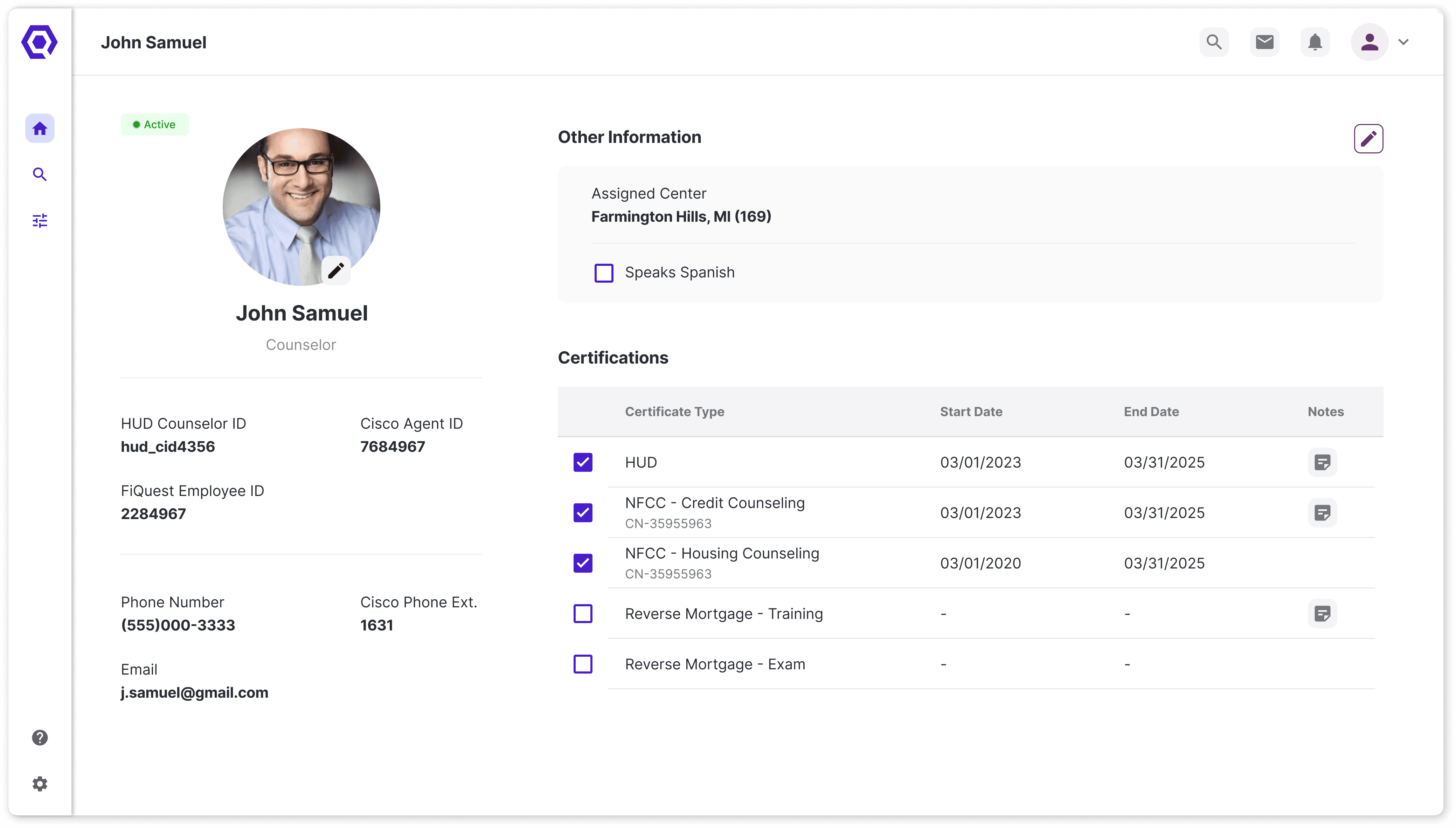
Impacts: What Happened After the Digital Transformation
Apart from validating from testing, we also took the help of analytics team and tracked the defining core metrics and the usage patterns for 3 month period and these were the results.
40%
Reduction in Time-on-Task
25%
Increasd in Counseling Productivity
2446
Sessions Conducted in a Month - An All-time High Performance
Reflections…
Looking back, the biggest lesson from the DMP employee-facing CRM redesign was that reducing cognitive load isn’t just about simplifying screens. Instead, it’s about reshaping how work actually happens. Early on, I focused heavily on consolidating tools into a single interface, assuming that fewer systems would naturally lead to a better experience. But through shadowing counselors, I realized the real friction came from fragmented thinking: information lived in different places, validations were missing, and counselors had to constantly remember what to do next while speaking with clients. This pushed me to map the full counseling journey first, then embed guidance directly into forms, and design the system to “think with” the counselor rather than just display data. I also learned the importance of bringing stakeholders in early with low-fidelity artifacts; it helped align expectations around feasibility and avoided the common “v1 vs v2” tension later on. If I were to do this again, I would invest even more in defining success metrics for internal tools upfront, not just efficiency, but cognitive effort and error reduction, so we could more clearly measure the impact of design decisions beyond surface-level usability improvements.
Projects