90 minutes to 15
How a self-service portal did what phone counselors couldn't scale
Role
Lead Designer
Context
Jack is 32, $80K in debt, and has a baby on the way. He found GreenPath. He read the provided services and booked a call..
Then he saw it was 1–2 hours, with a counselor, on the phone — and he quietly closed the tab.
GreenPath's Debt Management Program was built for people like Jack. The problem was, it kept losing people like Jack.
Core features
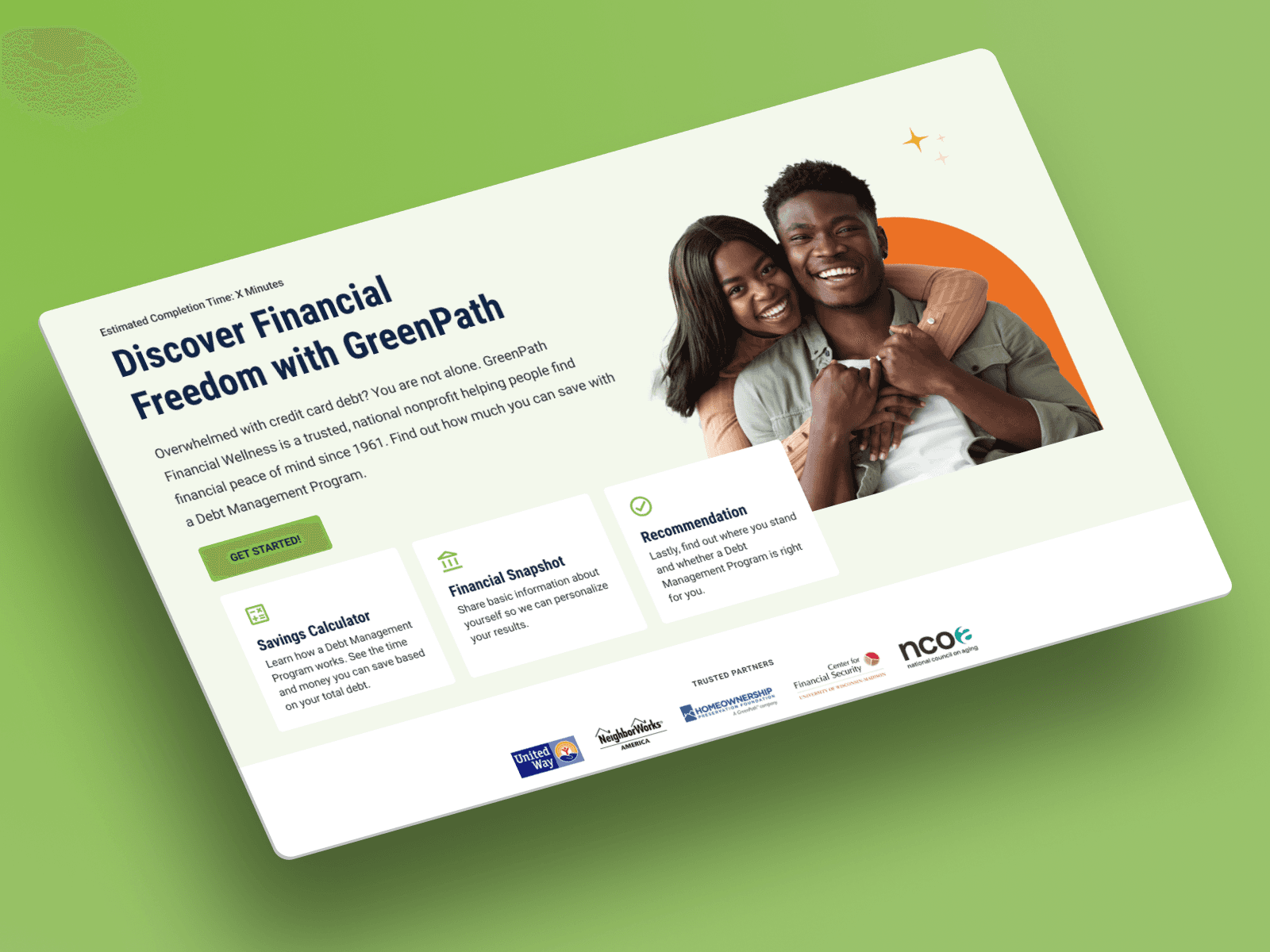
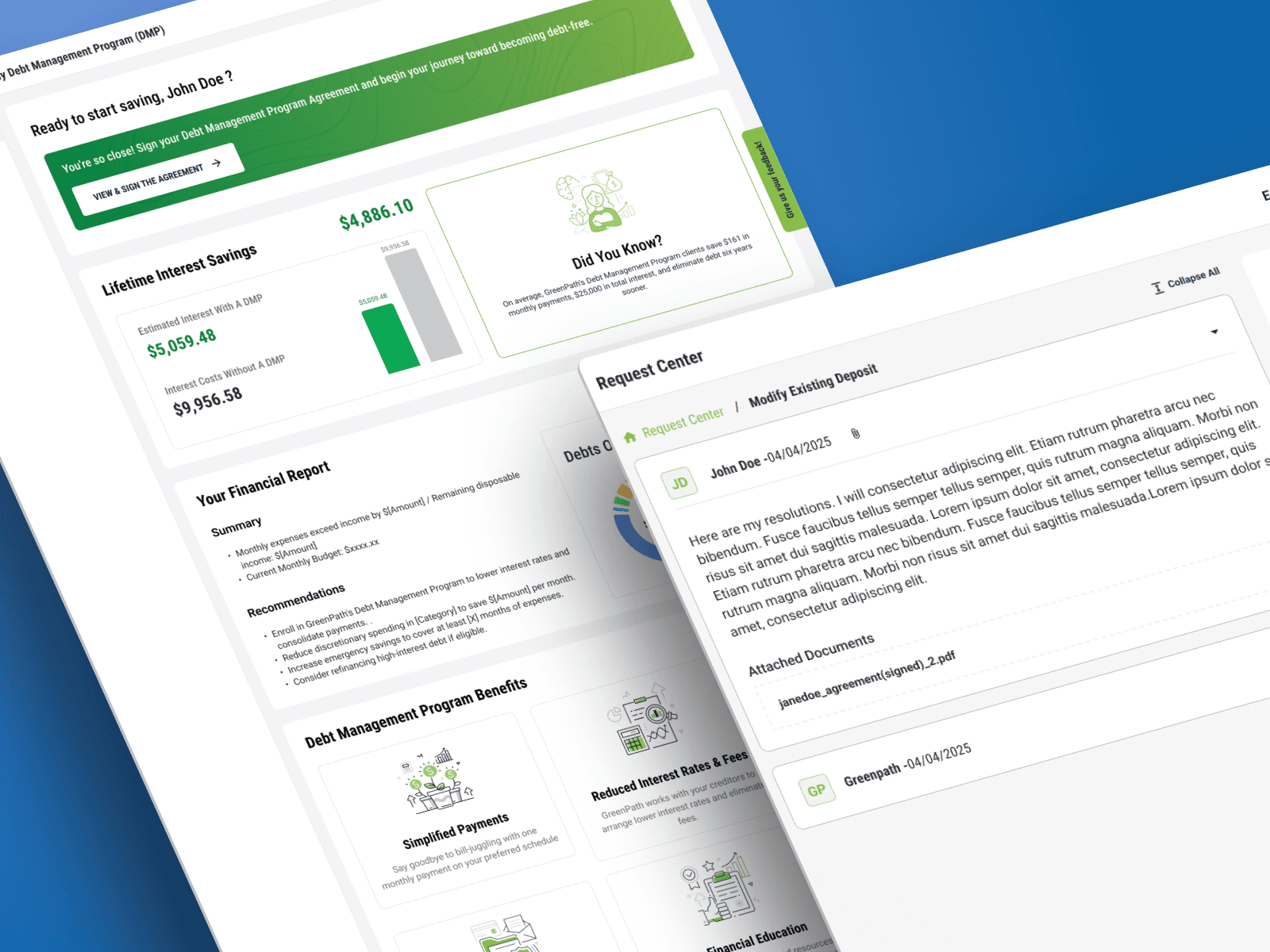
Fully self-service enrollment and onboarding experience that runs 24/7.
Gamified Portal experience that provide extended engagement.
Robust ticketing system to submit account-related issues & requests.
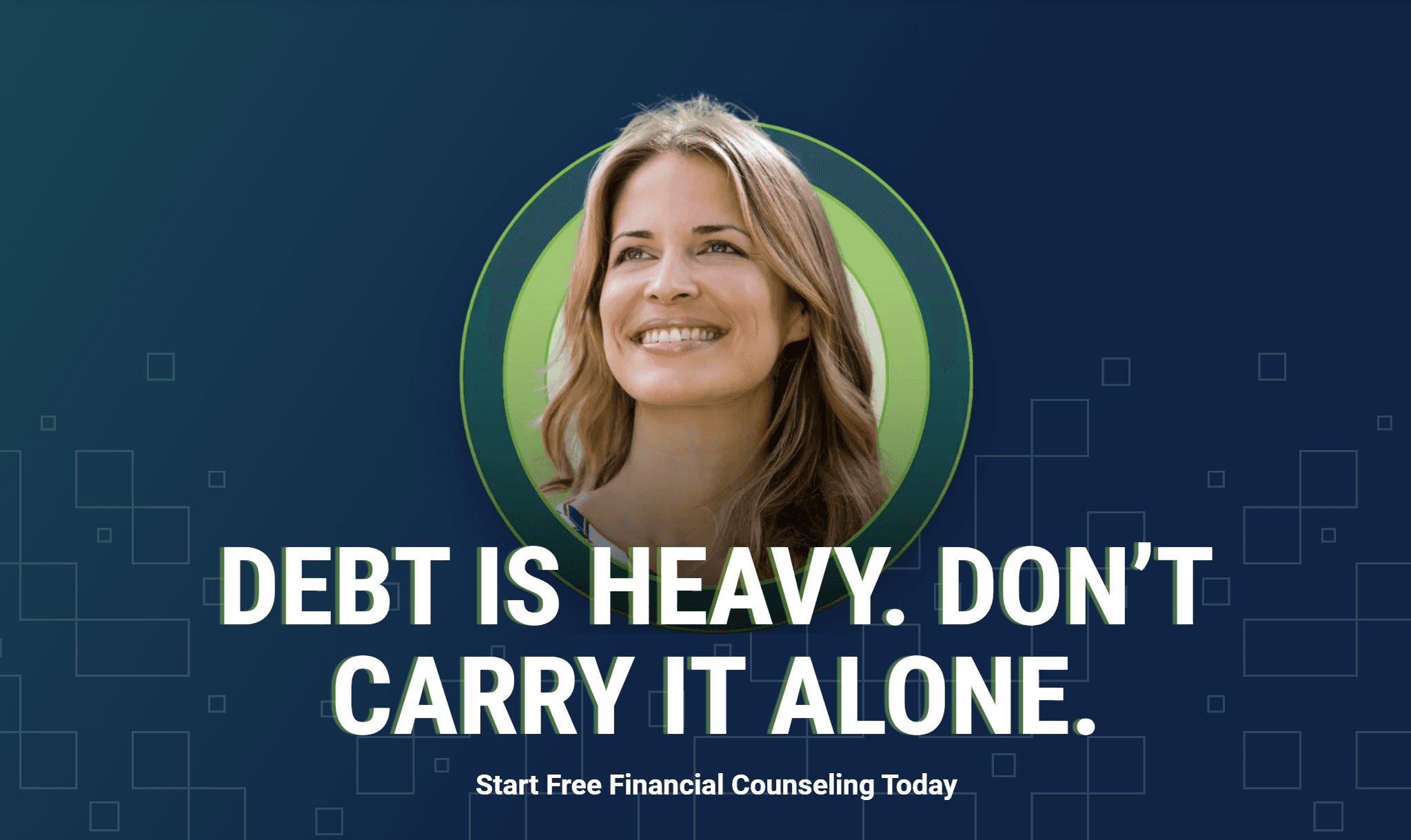
Problem: The model that had always been the program's greatest asset, quietly became its ceiling.
GreenPath's Debt Management Program had a long run of success built on one thing: phone calls with counselors.
When clients came looking for help with their debt, it was counselors on the front lines, who held their hands as they make their first step to being debt free.
Even if the phone call was 1-2 hours, it was an effective enrollment method for our clients.
…Until suddenly it wasn't. Not because the counselors failed, but because the definition of ‘financial privacy’ changed.
Our enrollment started going down for 3 consecutive months (2022 Q1).
We started to get people who would take our calls, just to not fully onboard, cancel calls, ghost them, or even just hang up!
Before we knew it, most of our remaining clients leaned towards an older demographic…
why?
The long enrollment call is where client usually explains their financial situations out loud to a counselor. That includes sharing credit card balances, missed payment, accruing debt – all sensitive topics.
Older clients tolerated it — they'd grown up with phone banking and in-person appointments. But the new generation? Not so much. For them, the phone call wasn't a feature. It was a wall.
Older clients (45–65)
Human-first, digital-second
Comfortable disclosing personal finance to a person
Secured debt, typically lower interest rates
Younger clients (25–45)
Digital-first, human-second
Online banking, virtual tools, files taxes on apps
Prefers to research independently first .
Higher debt — rising rates, tuition, cost of living
We unintentionally filtered out the younger, digitally native generation, who were just as buried in debt and needed our help.
The real challenge wasn't "how do we put this process online." It was harder:
How do you recreate the trust of a 1-on-1 conversation without the conversation?
-1 million dollar question
Discovery: Clients didn't want less human involvement. They just wanted more control of when and how they disclosed.
Stakeholder interviews helped us understand what GreenPath needed the redesign to accomplish. After sessions with sponsors, product owners, and business analysts, four goals emerged:
Increase user engagement and retention
Enable fully digital self-service
Broaden demographic reach
Reduce operational costs.
Client interviews helped us understand why. We spoke with 20 people — 10 existing clients and 10 who had never enrolled. Two things came back consistently:
Clients wanted to enter financial data privately
Younger users wanted to explore options independently before speaking to anyone
None of this was outside of our expectation or assumptions, however…
👀 Unplanned discovery: Outside of 2hr enrollment calls, counselors were ALSO spending additional hours on tasks that had nothing to do with counseling…
So we looked at the existing portal – and that’s where everything clicked.
The portal already existed & clients already had accounts.
But it’s UX was almost entirely un-usable beyond a monthly progress check
Functionally, it was a dead end with a login screen.
And sitting right in front of us was a two-for-one opportunity that reframed the entire project.
Solution: One portal. Two problems solved.
What if the portal wasn't just a dashboard — but the front door?
What if we redesigned it to handle enrollment entirely, removing the phone call from the equation, while simultaneously building out the self-service tools that would free counselors from the administrative work eating their time?
One portal. Two problems solved. The phone call replaced by a private, guided digital experience. The counselors freed up to do the work only they could do.
That became the foundation for everything that followed.
👀 Unplanned discovery: Outside of 2hr enrollment calls, counselors were ALSO spending additional hours on tasks that had nothing to do with counseling…
So we looked at the existing portal – and that’s where everything clicked.
The portal already existed & clients already had accounts.
But it’s UX was almost entirely un-usable beyond a monthly progress check
Functionally, it was a dead end with a login screen.
And sitting right in front of us was a two-for-one opportunity that reframed the entire project.
The new user journey: The walk of shame → The walk of ‘debt free’
Client discovers GreenPath → Creates an account → Enrolls digitally at their own pace → Chooses when (and if) they want to speak with a counselor.
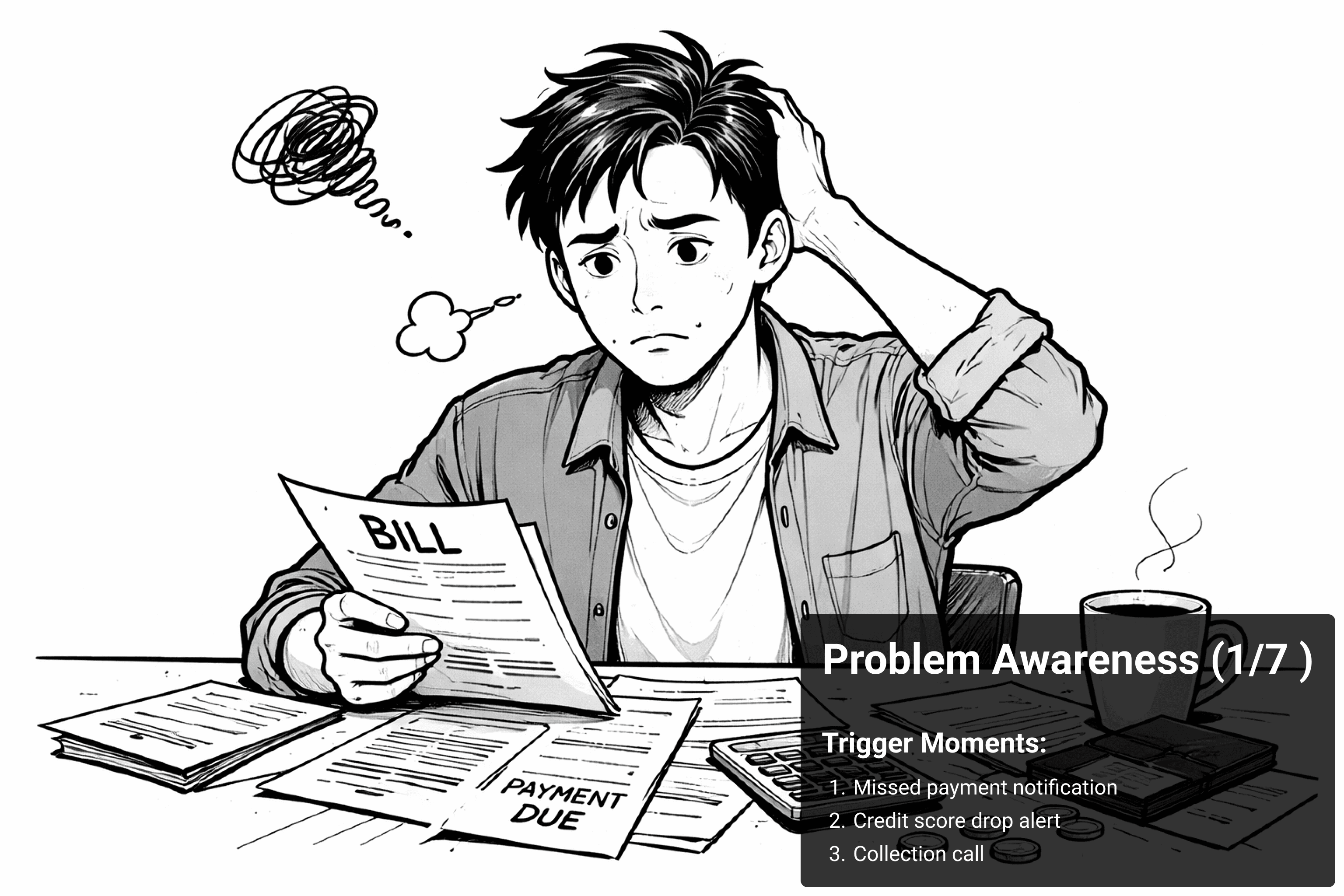
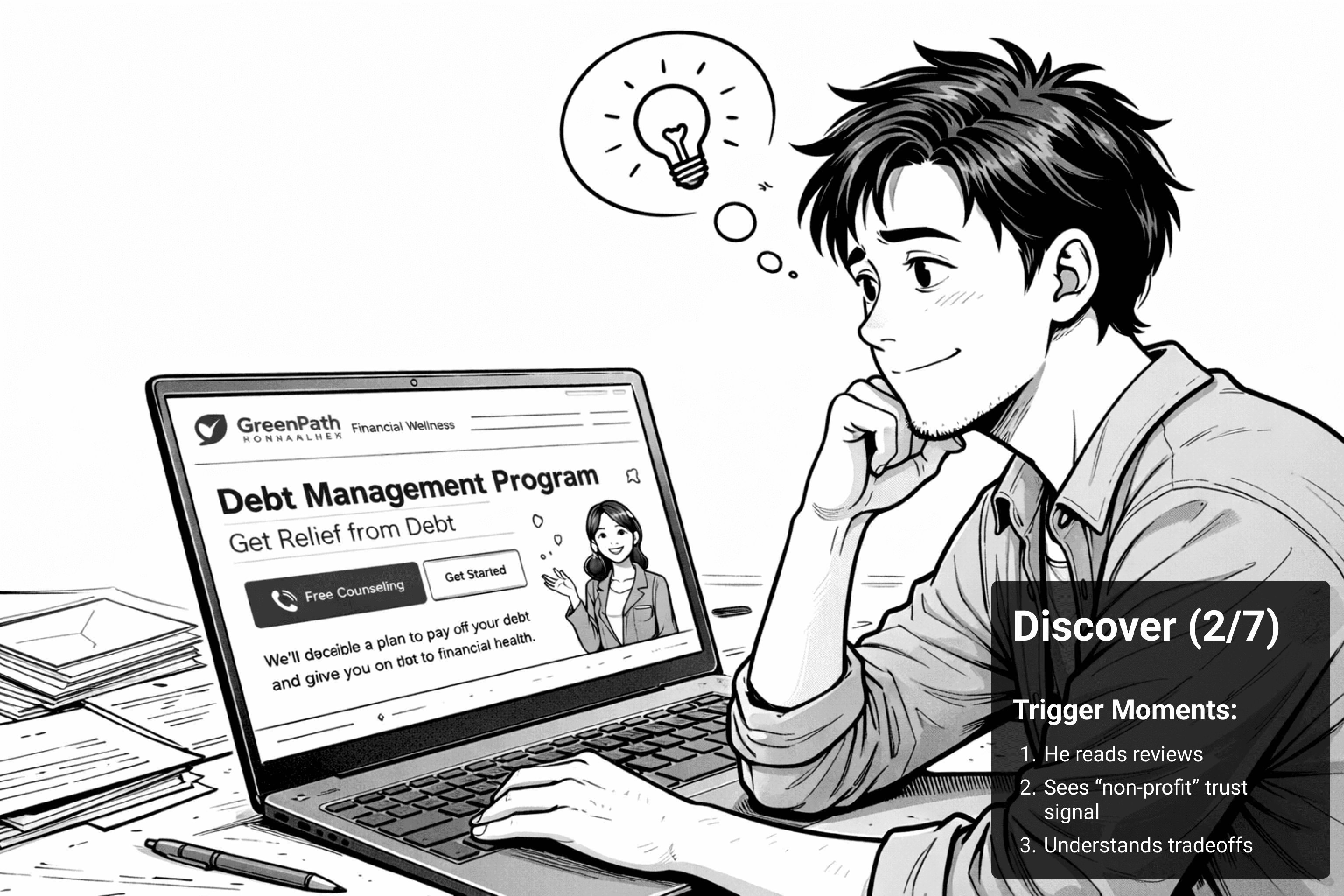
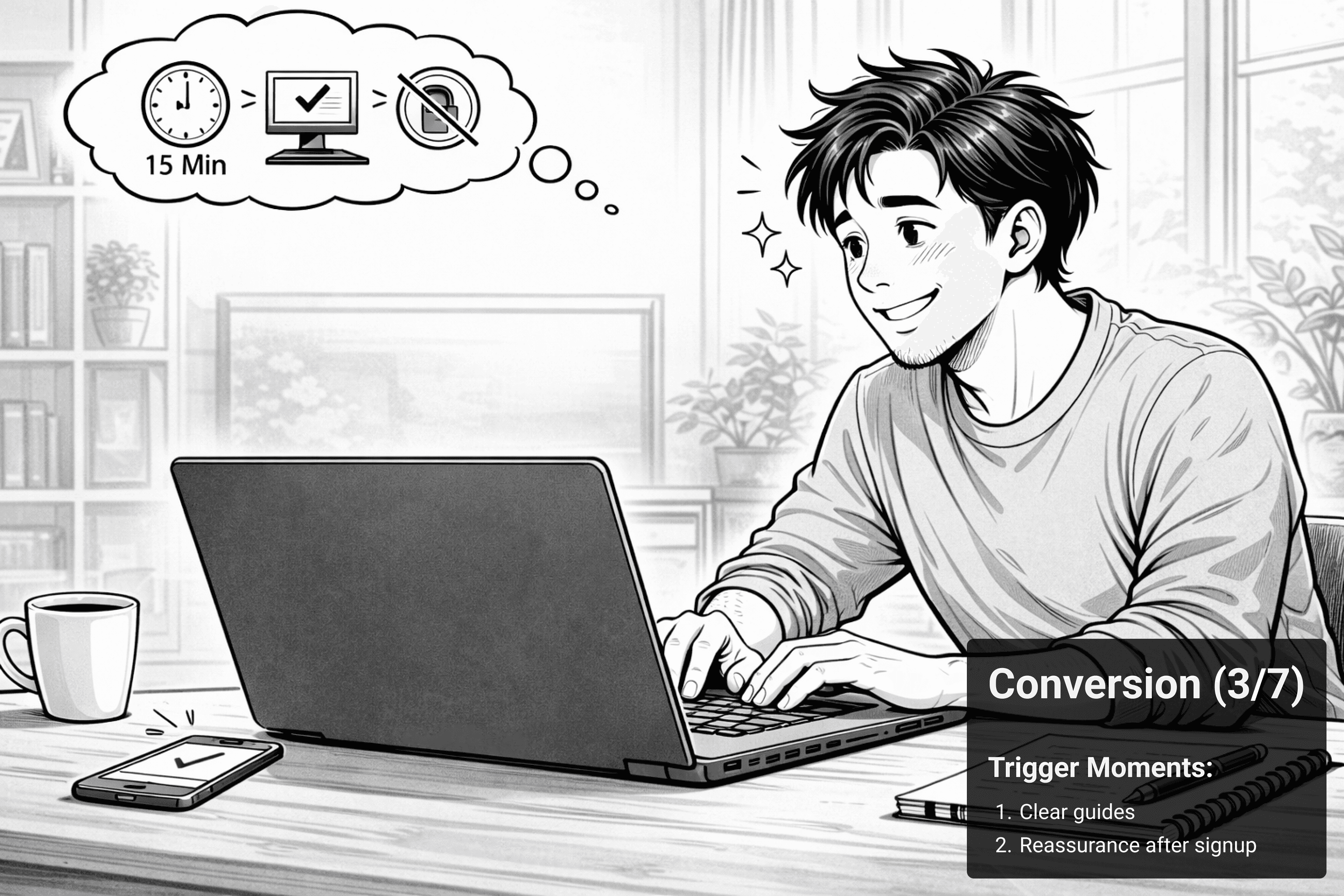
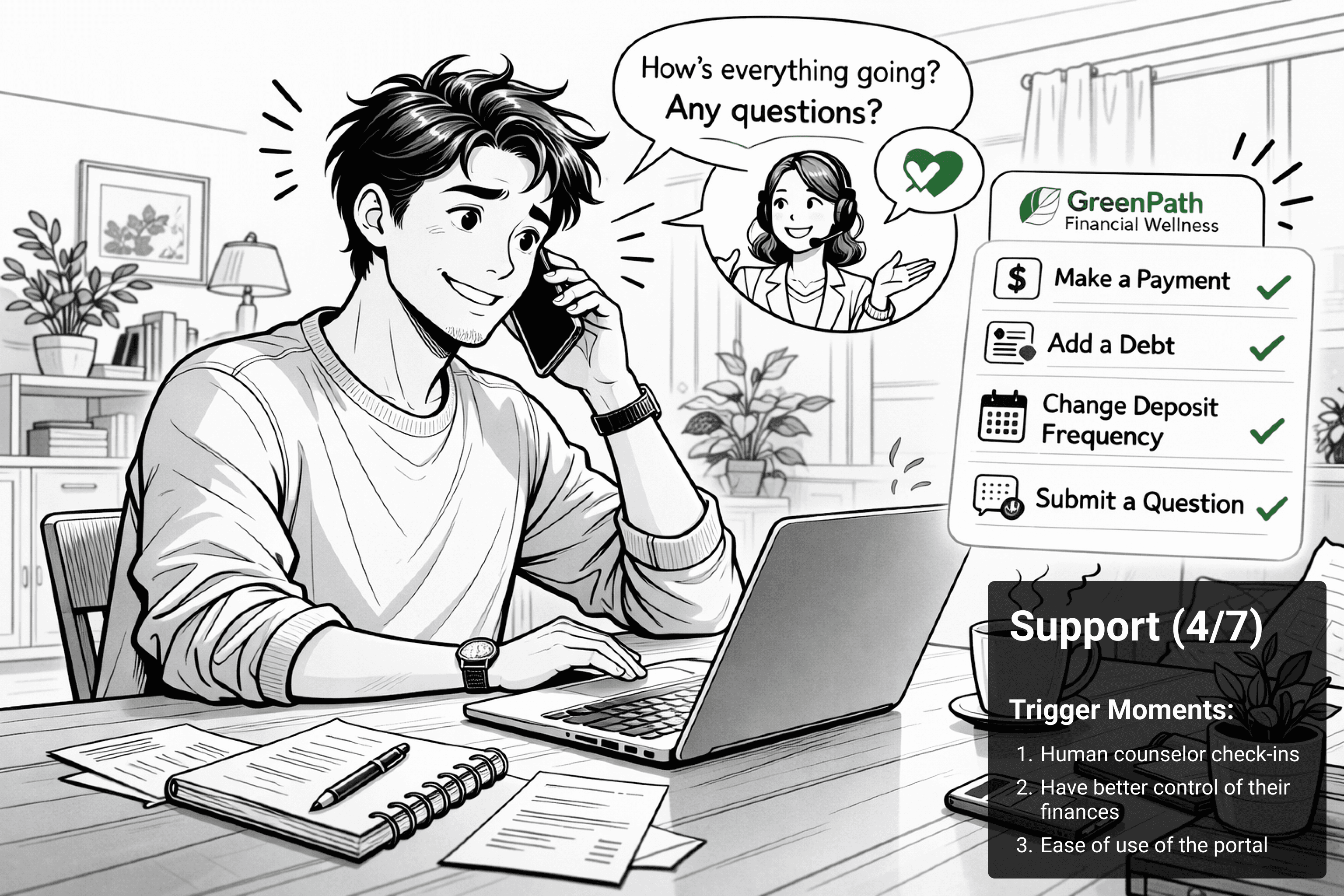
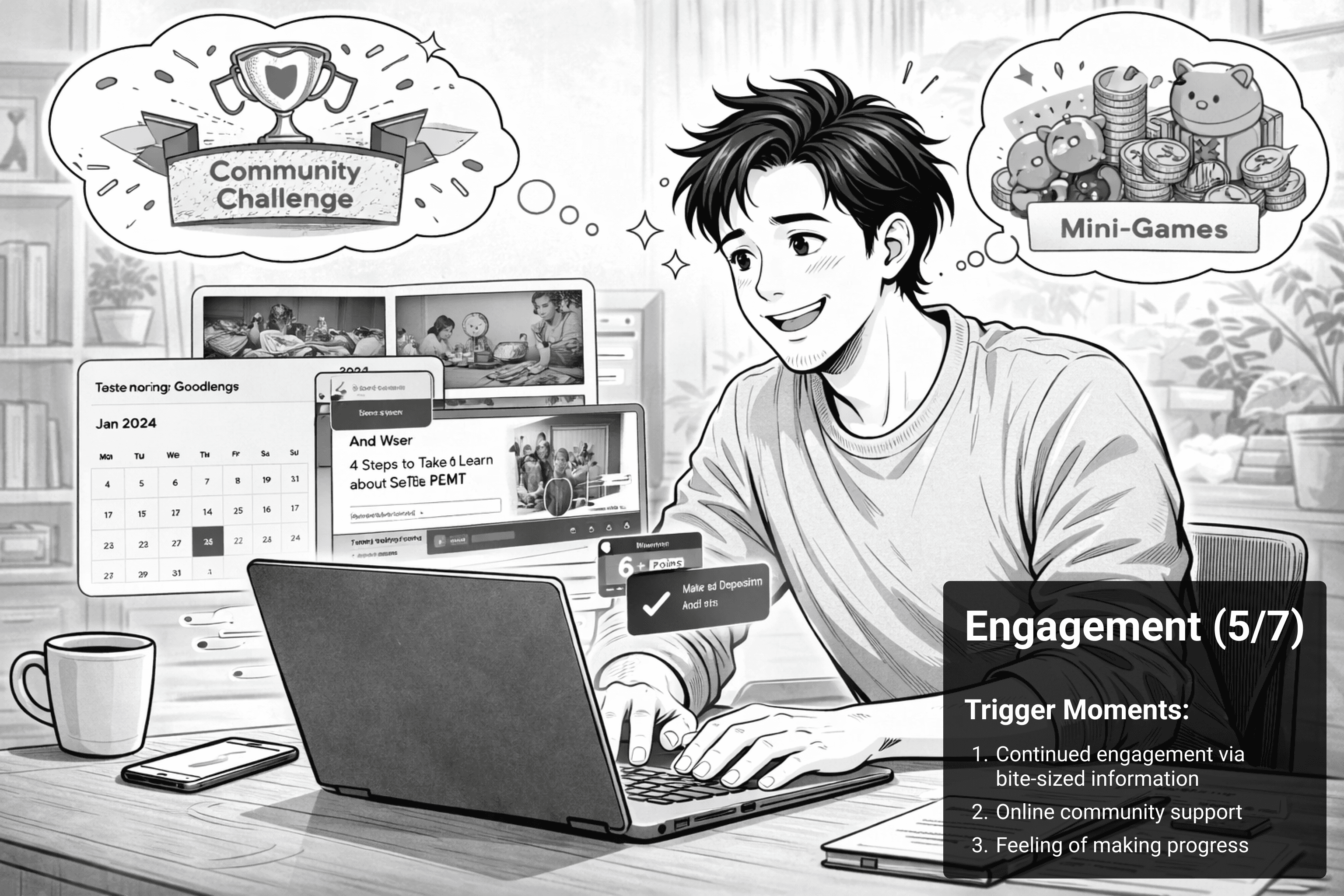
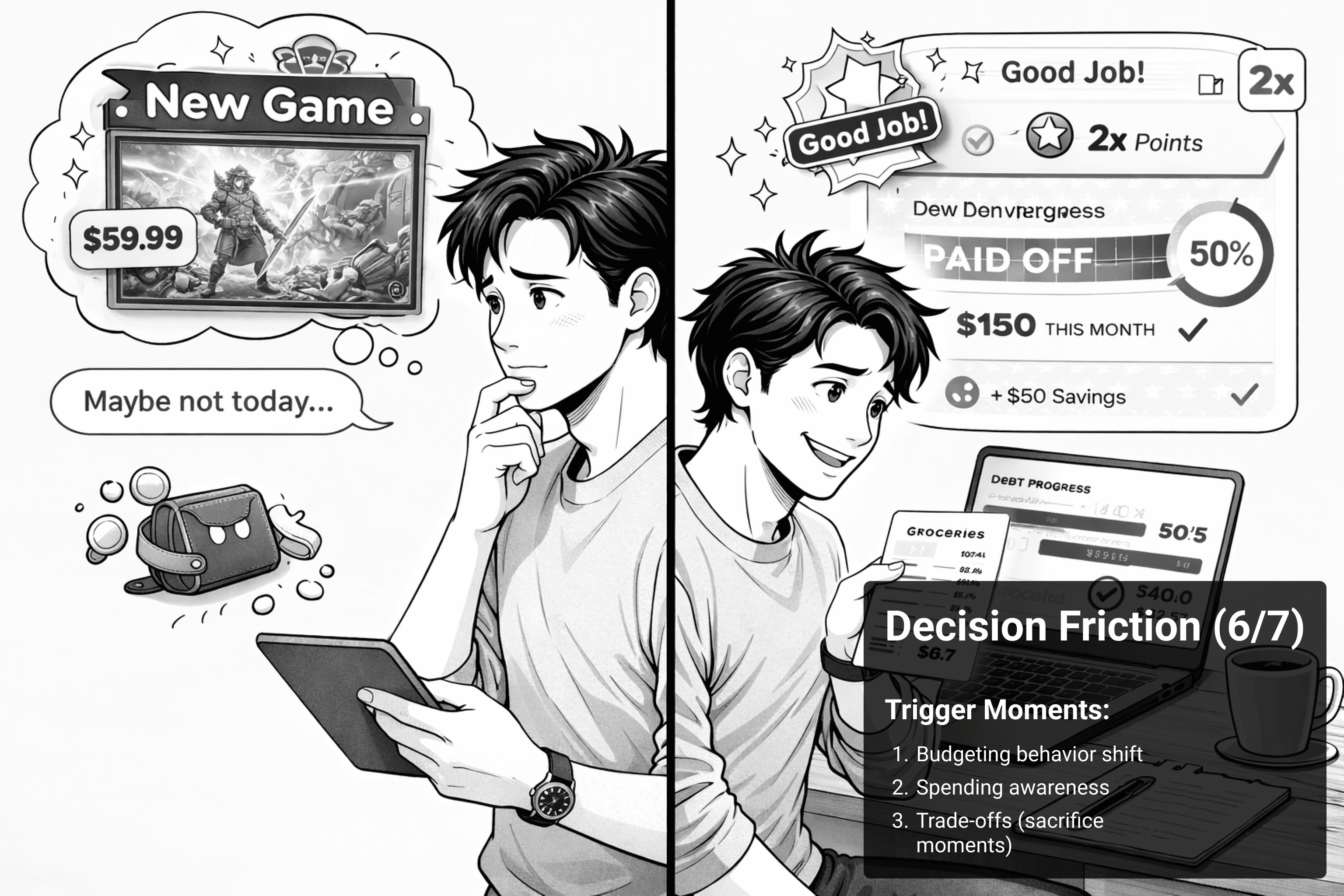
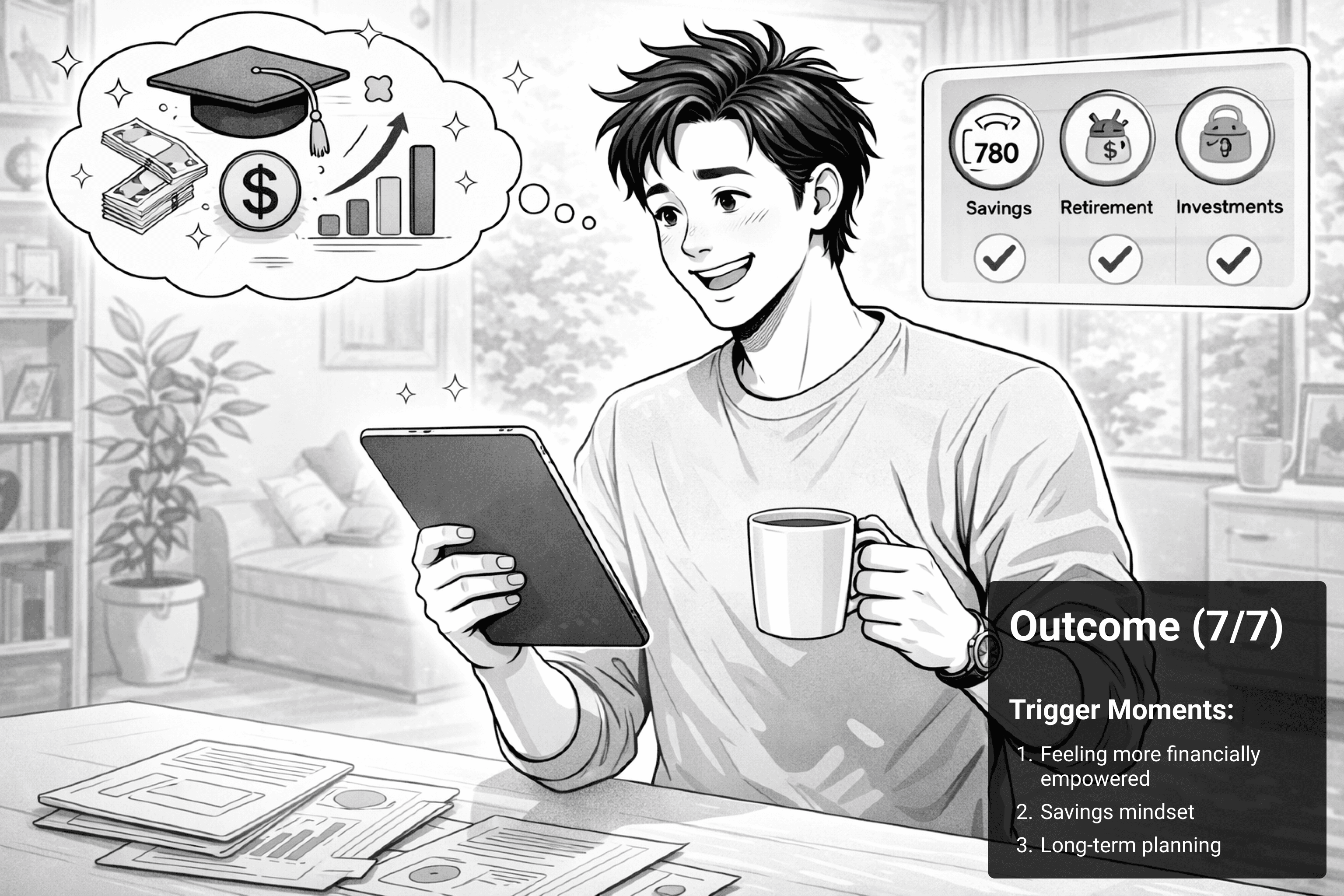
A client moves through enrollment on their own terms — disclosing only what they're ready to share, at whatever pace feels right. A counselor is available if they want one. But for the first time, it's a choice, not a requirement.
Principle
No embarrassment .
Build trust .
Full self-service .
One shared UI .
What it meant in practice
Users enter financial data privately, no verbal disclosure required
Guided microcopy acts as a silent counselor at every step
Users manage routine requests without counselor involvement
Counselors and clients operate within the same system
So we looked at the existing portal – and that’s where everything clicked.
The portal already existed & clients already had accounts.
But it’s UX was almost entirely un-usable beyond a monthly progress check
Functionally, it was a dead end with a login screen.
And sitting right in front of us was a two-for-one opportunity that reframed the entire project.
Designs
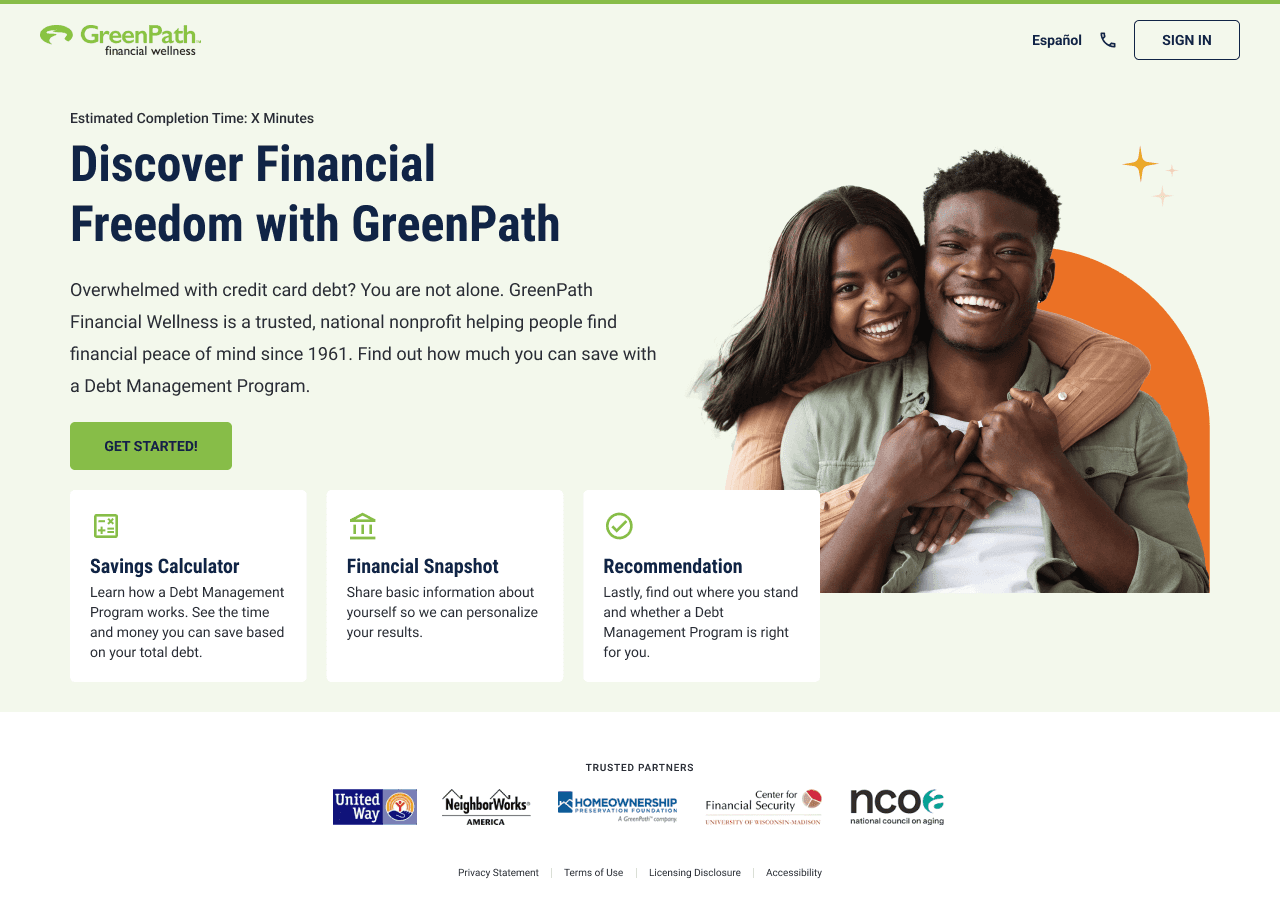
Onboarding designs
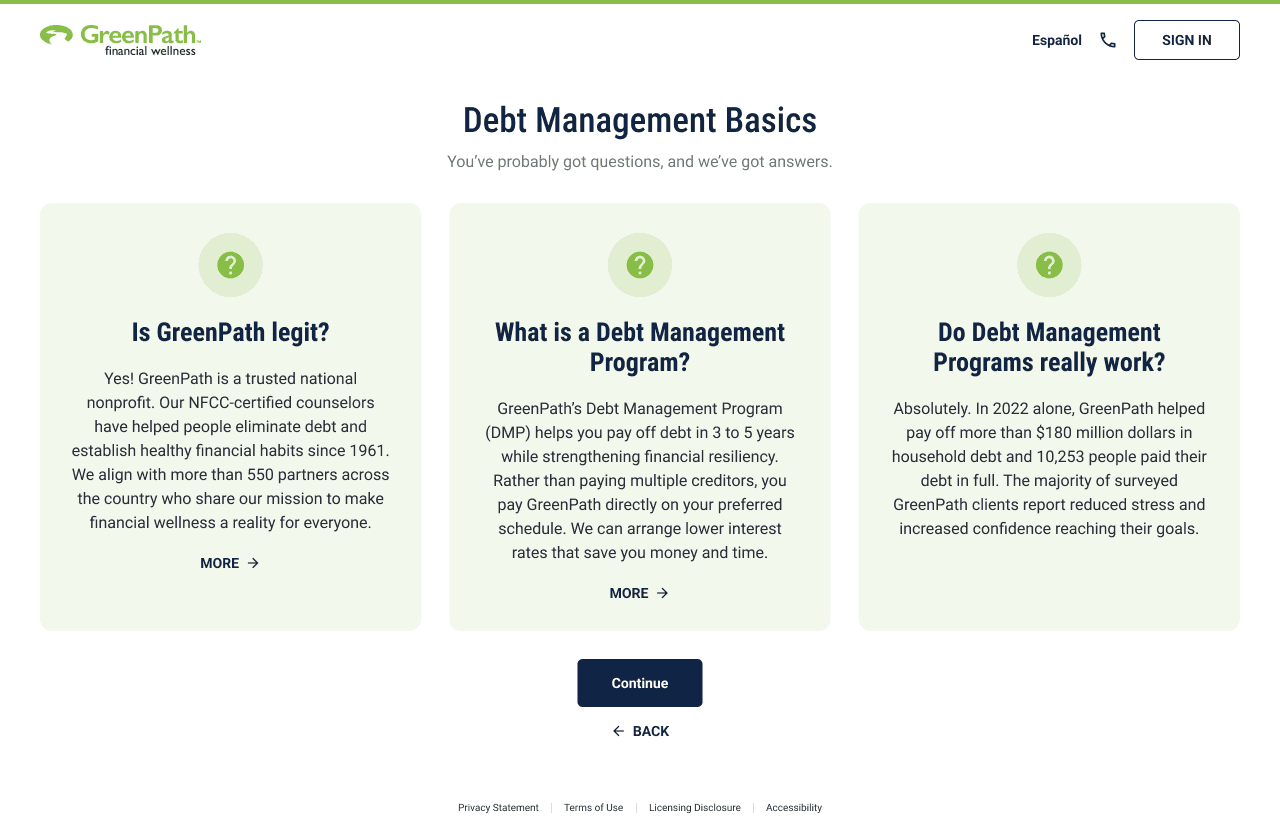
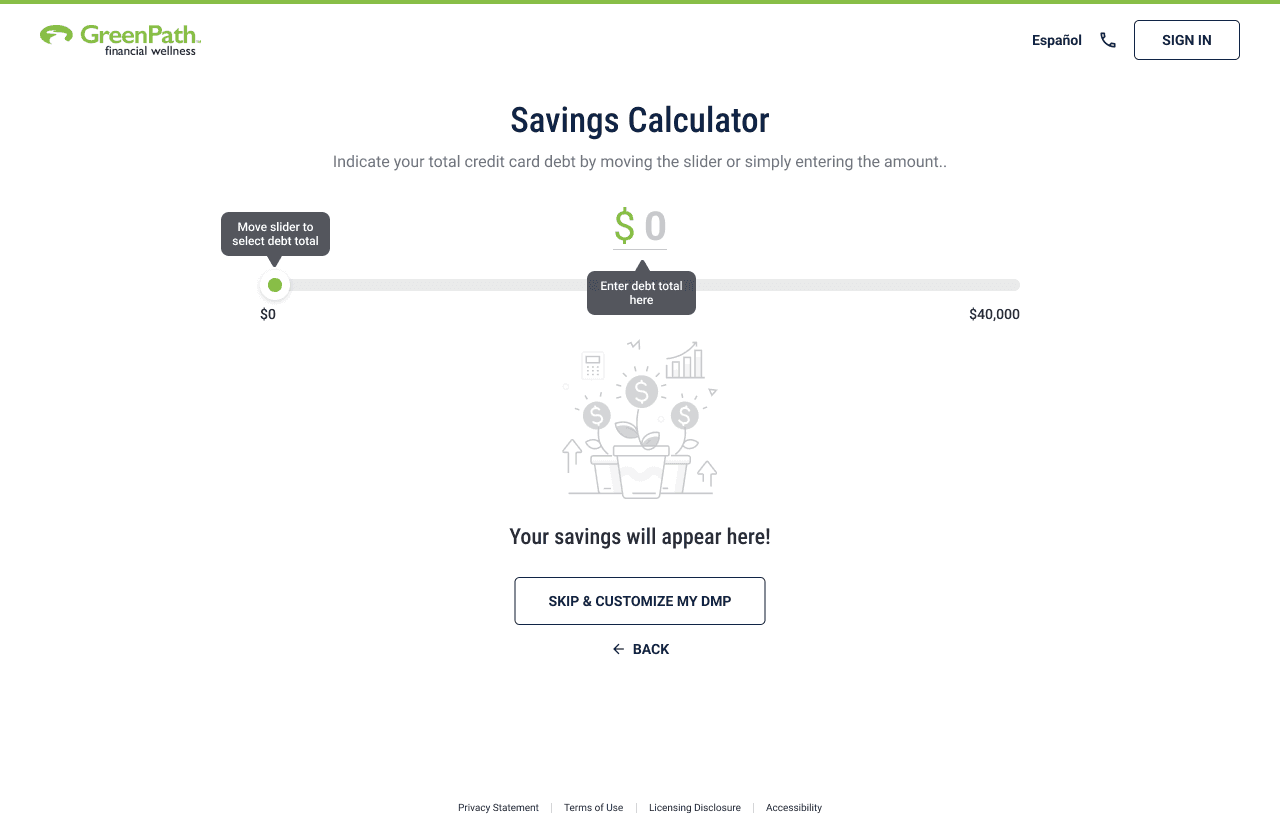
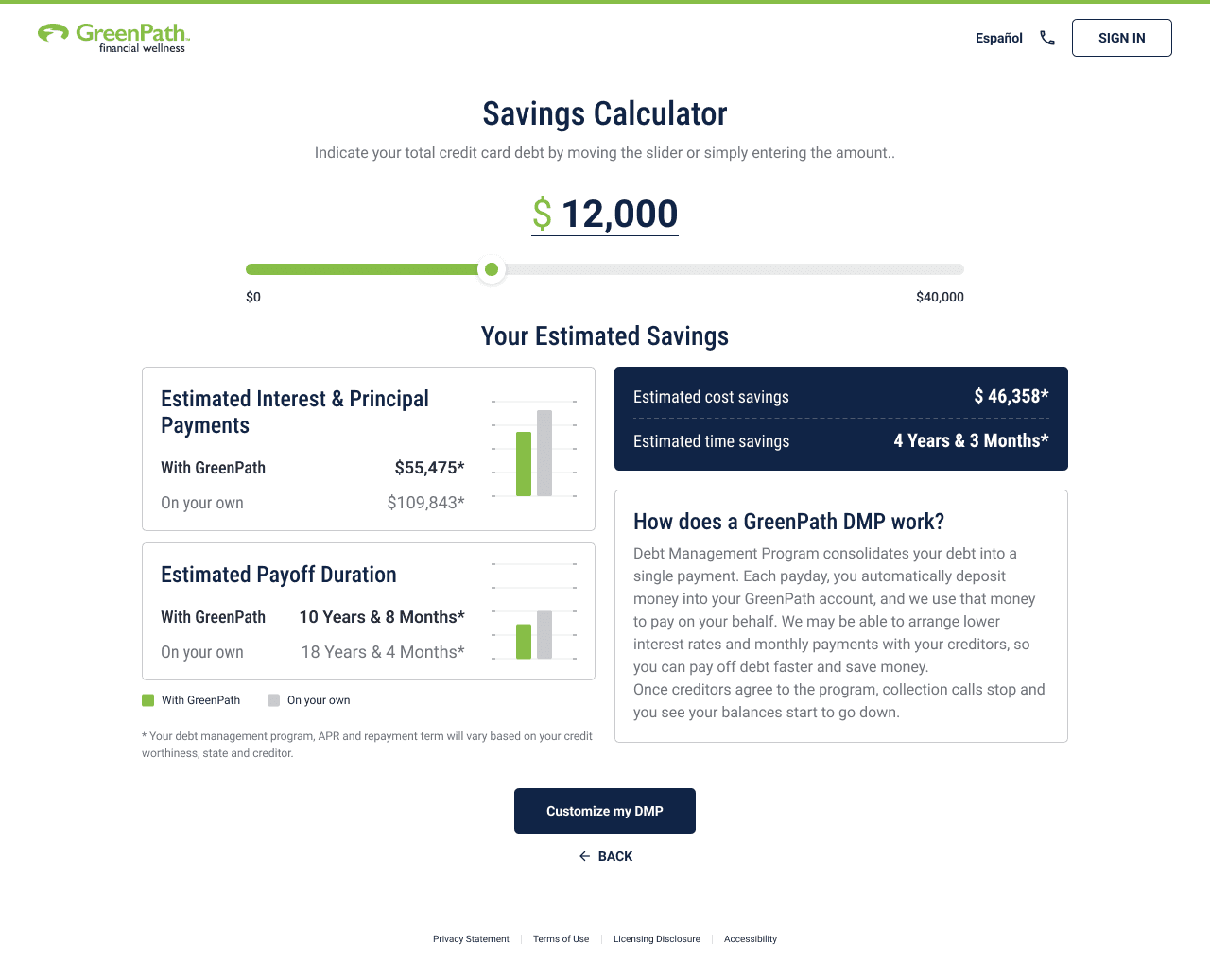
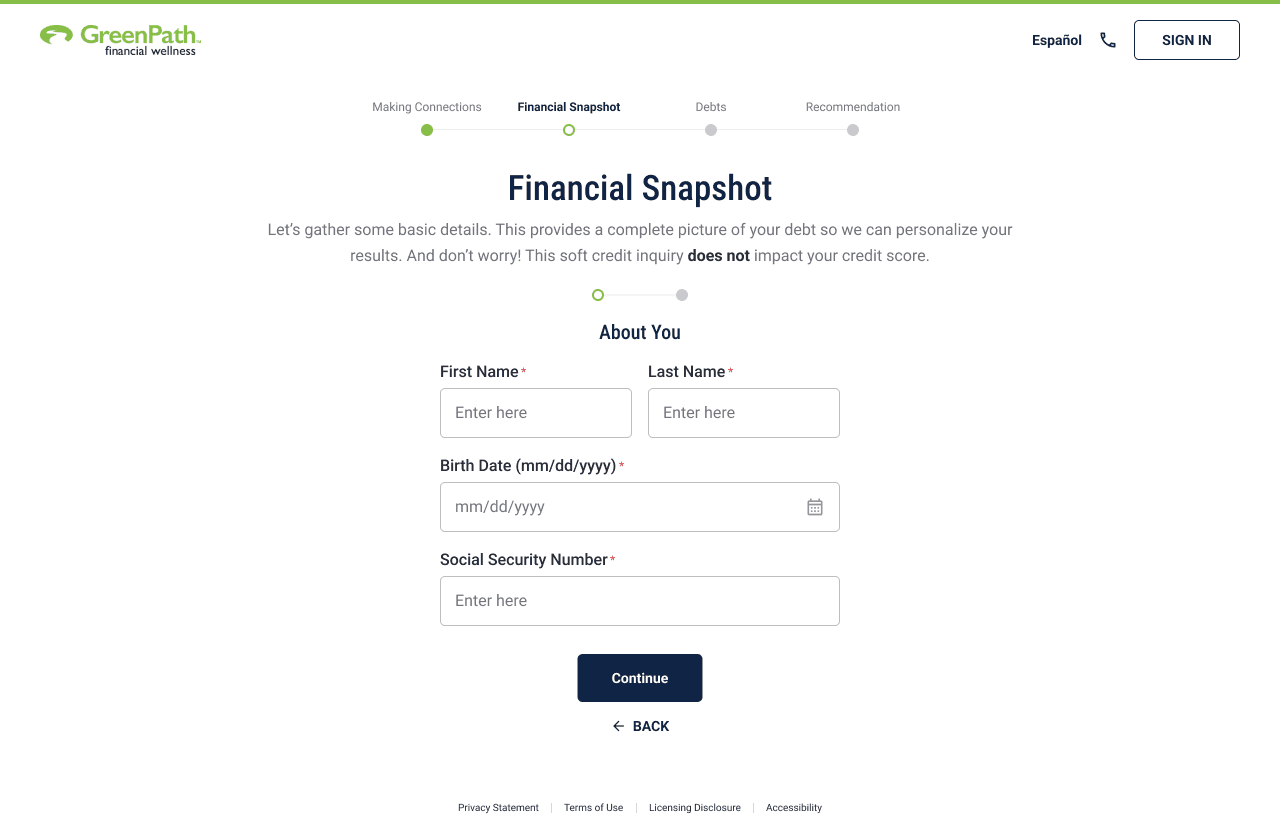
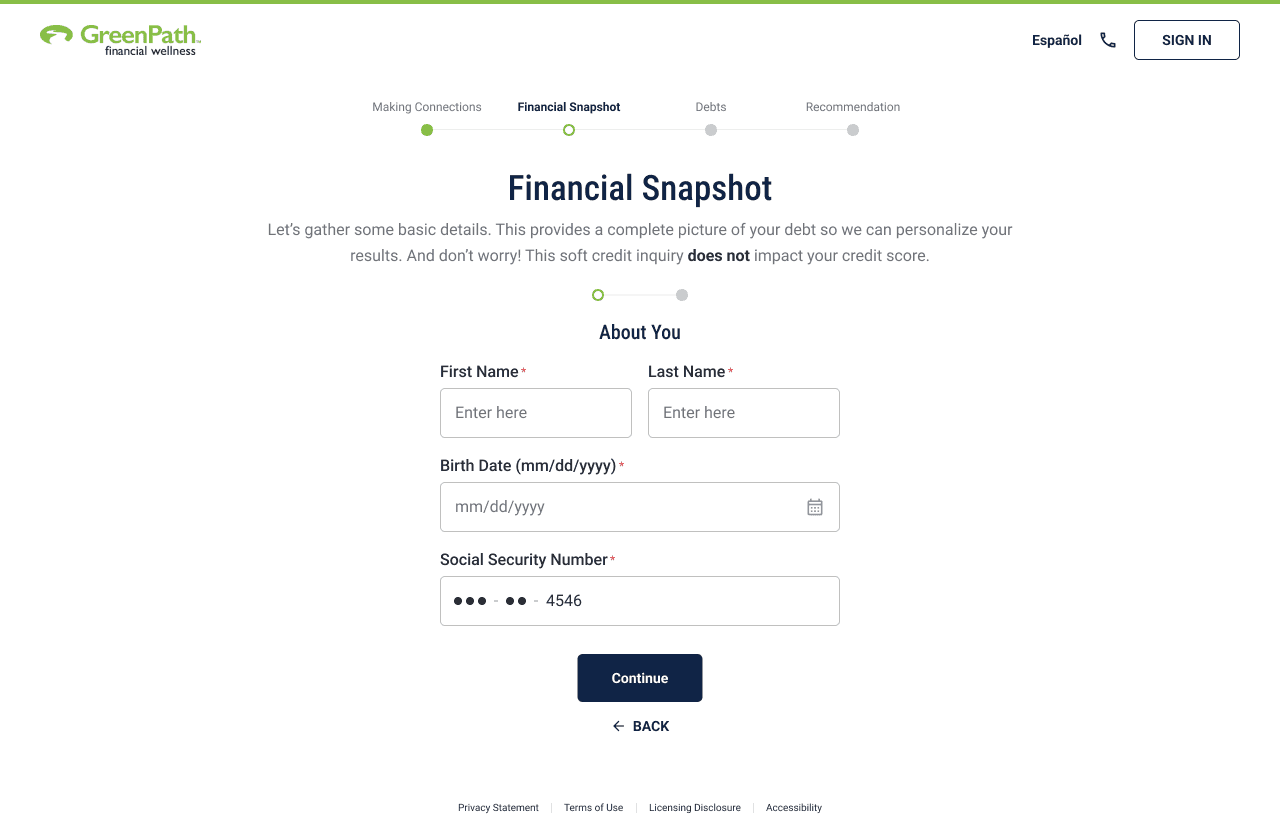
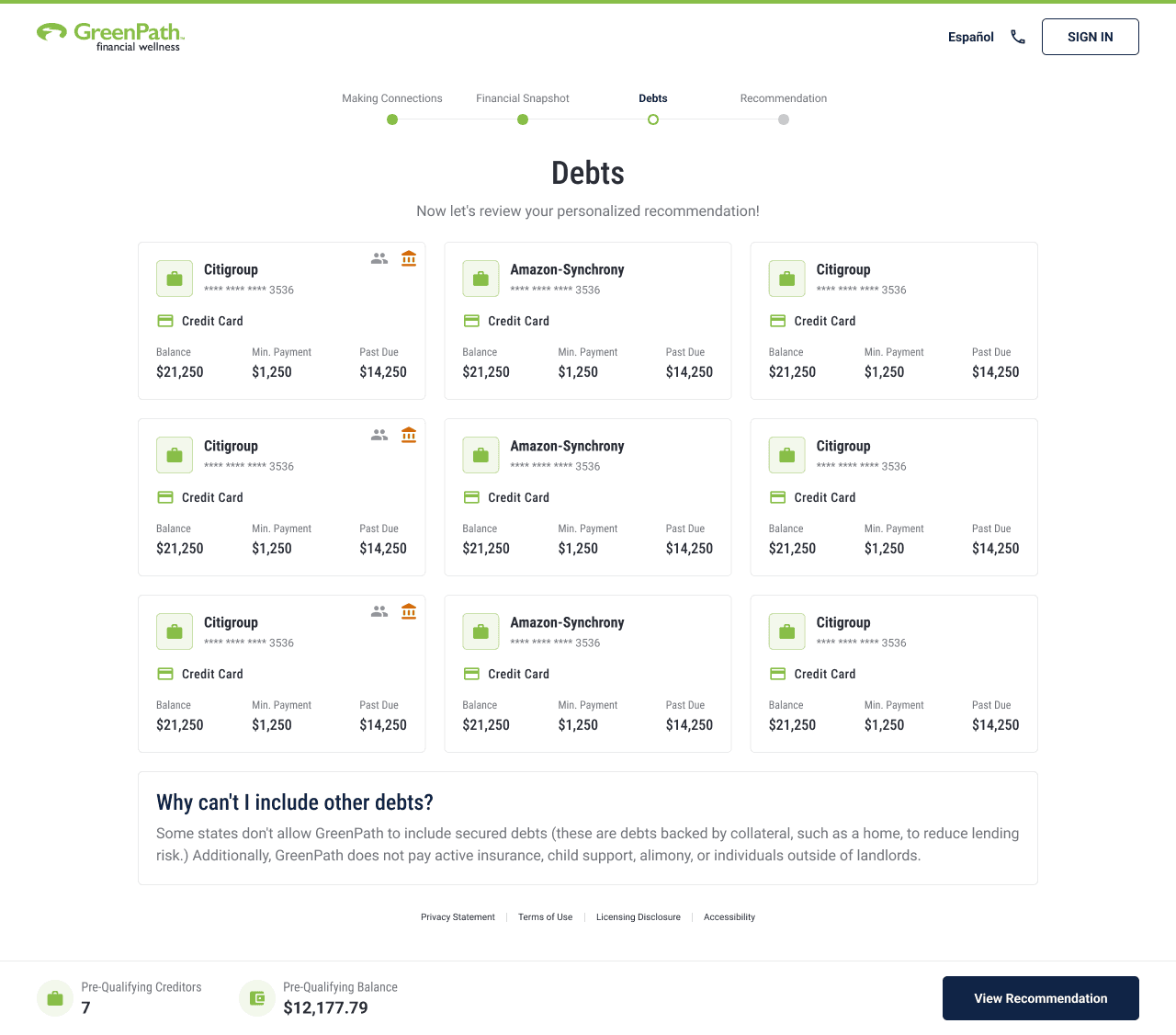
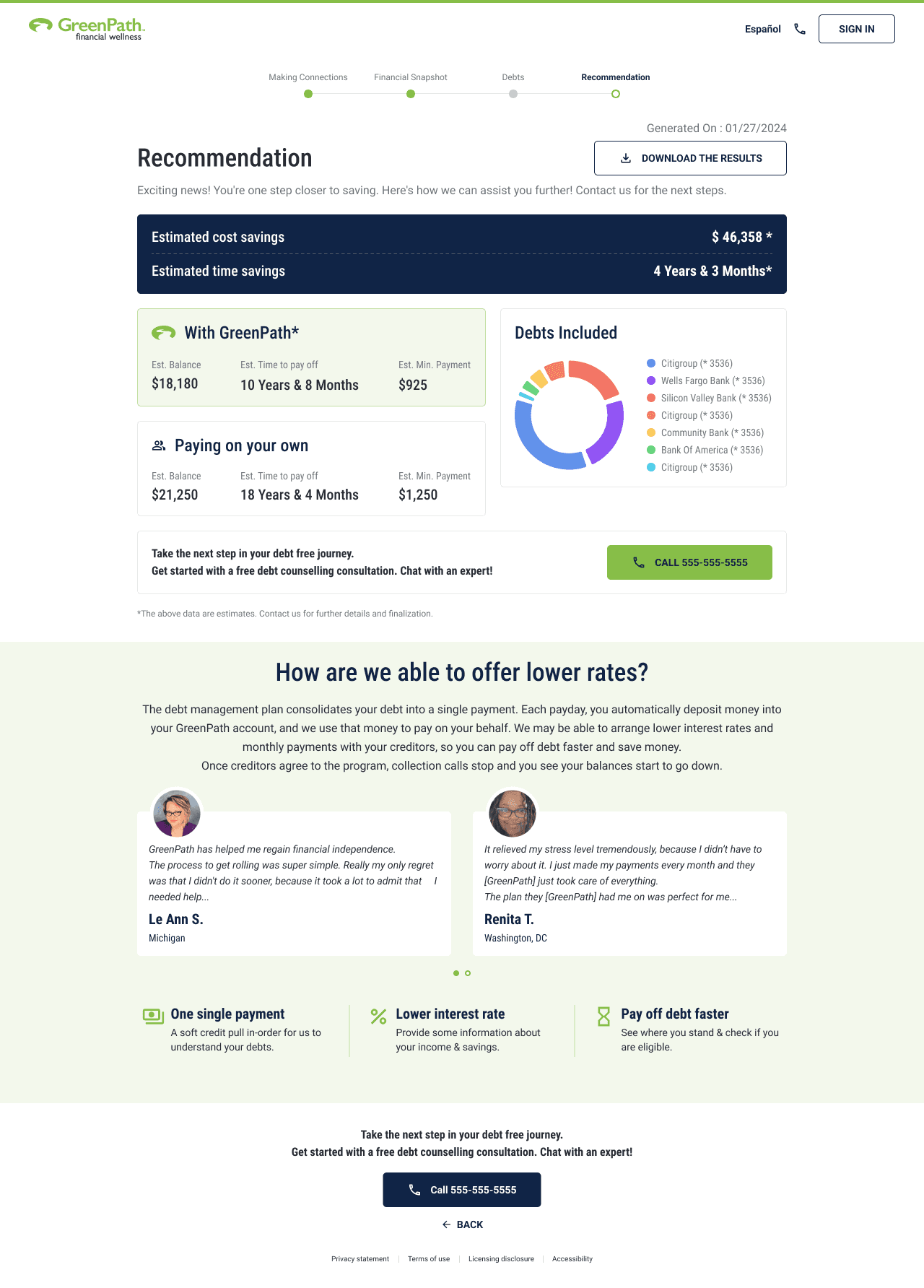
Dashboard designs
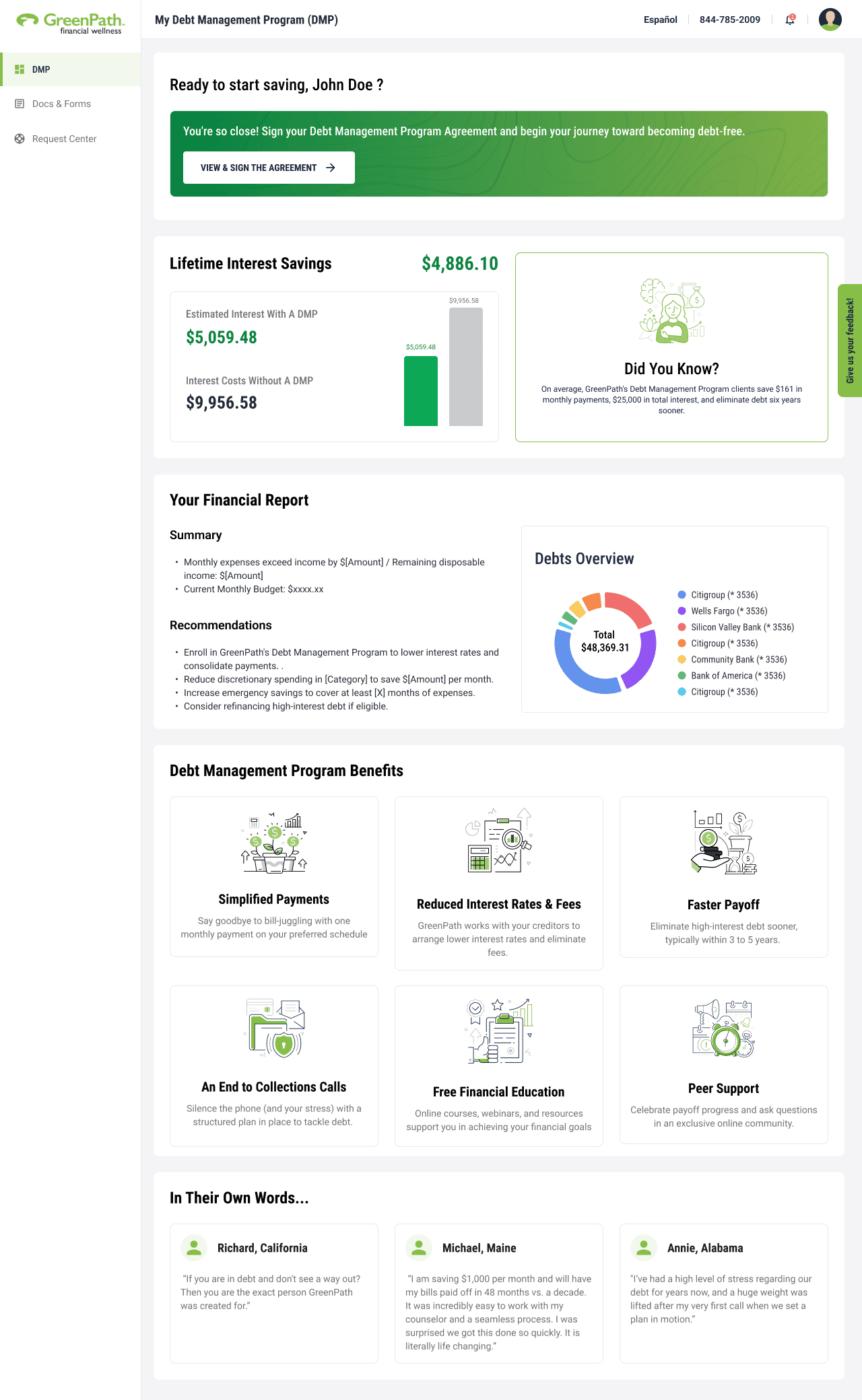
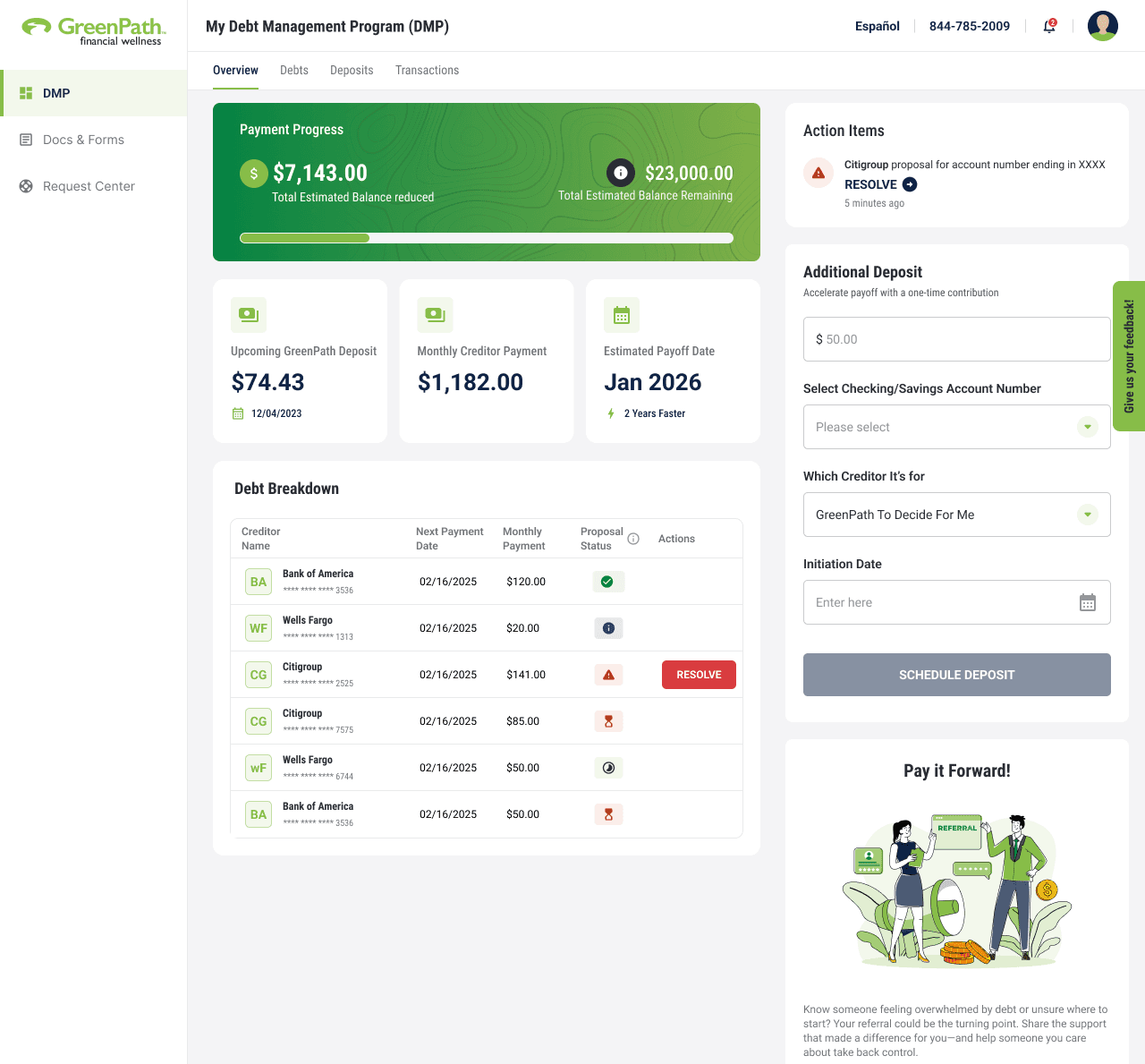
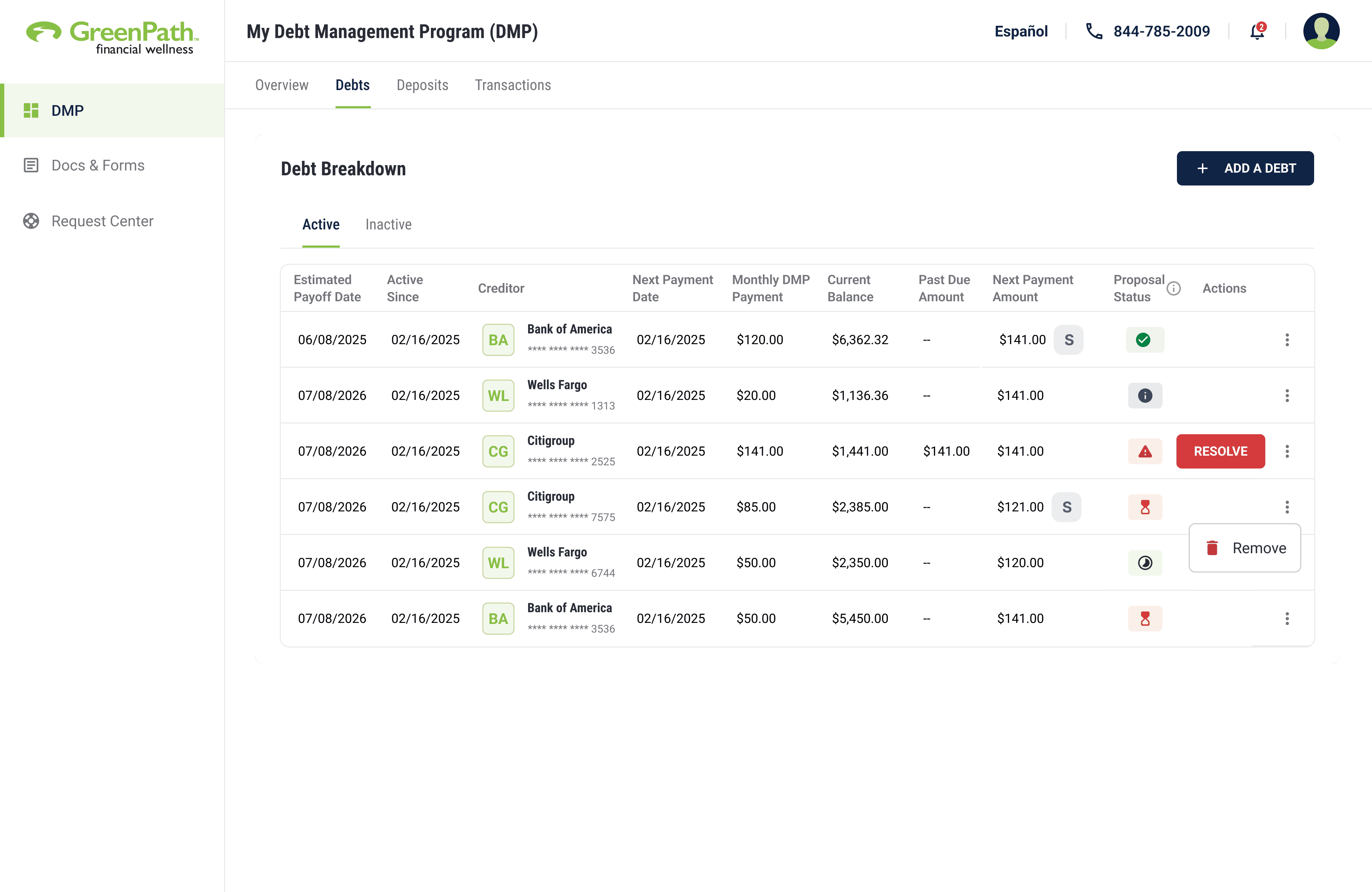
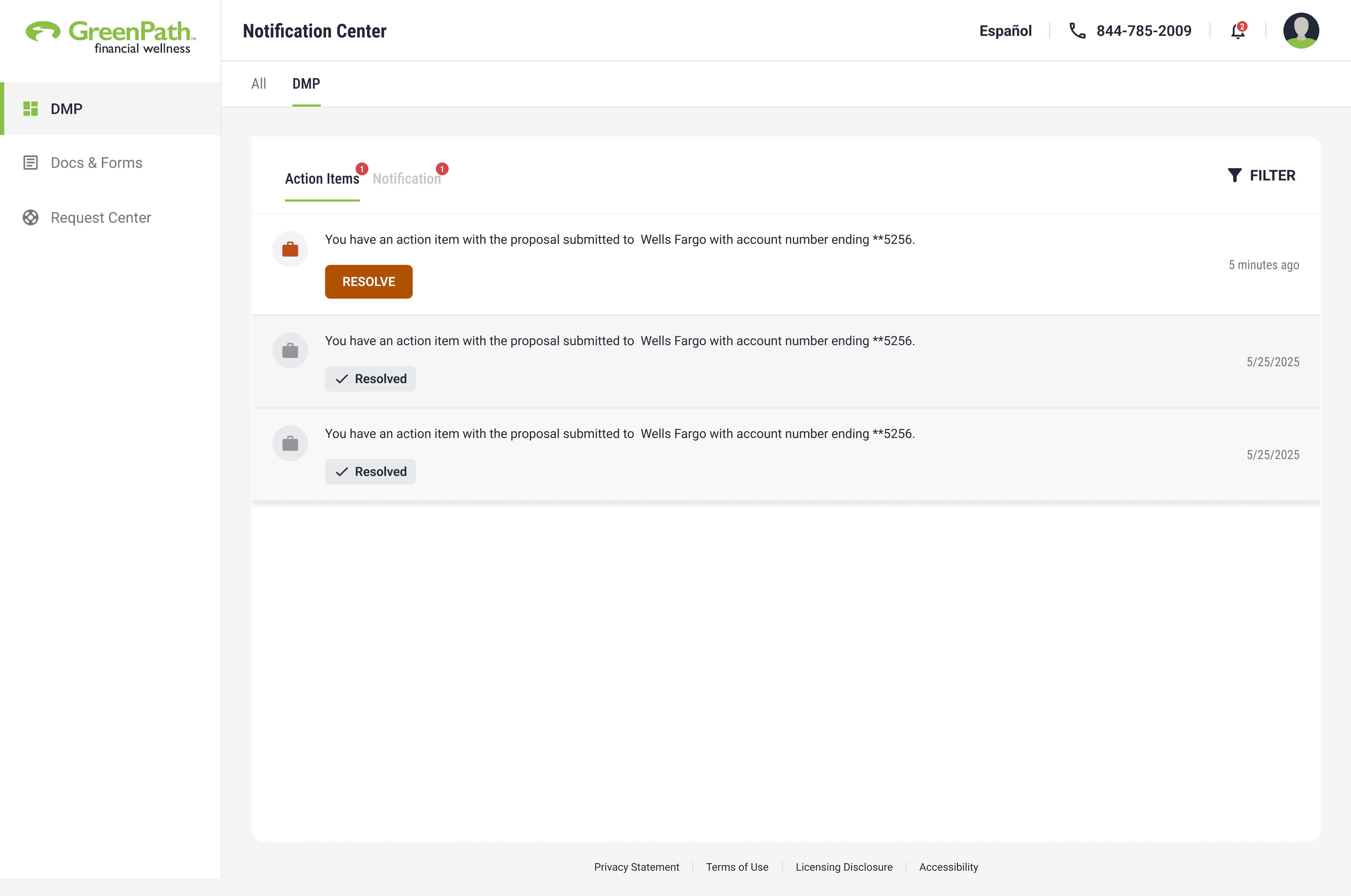
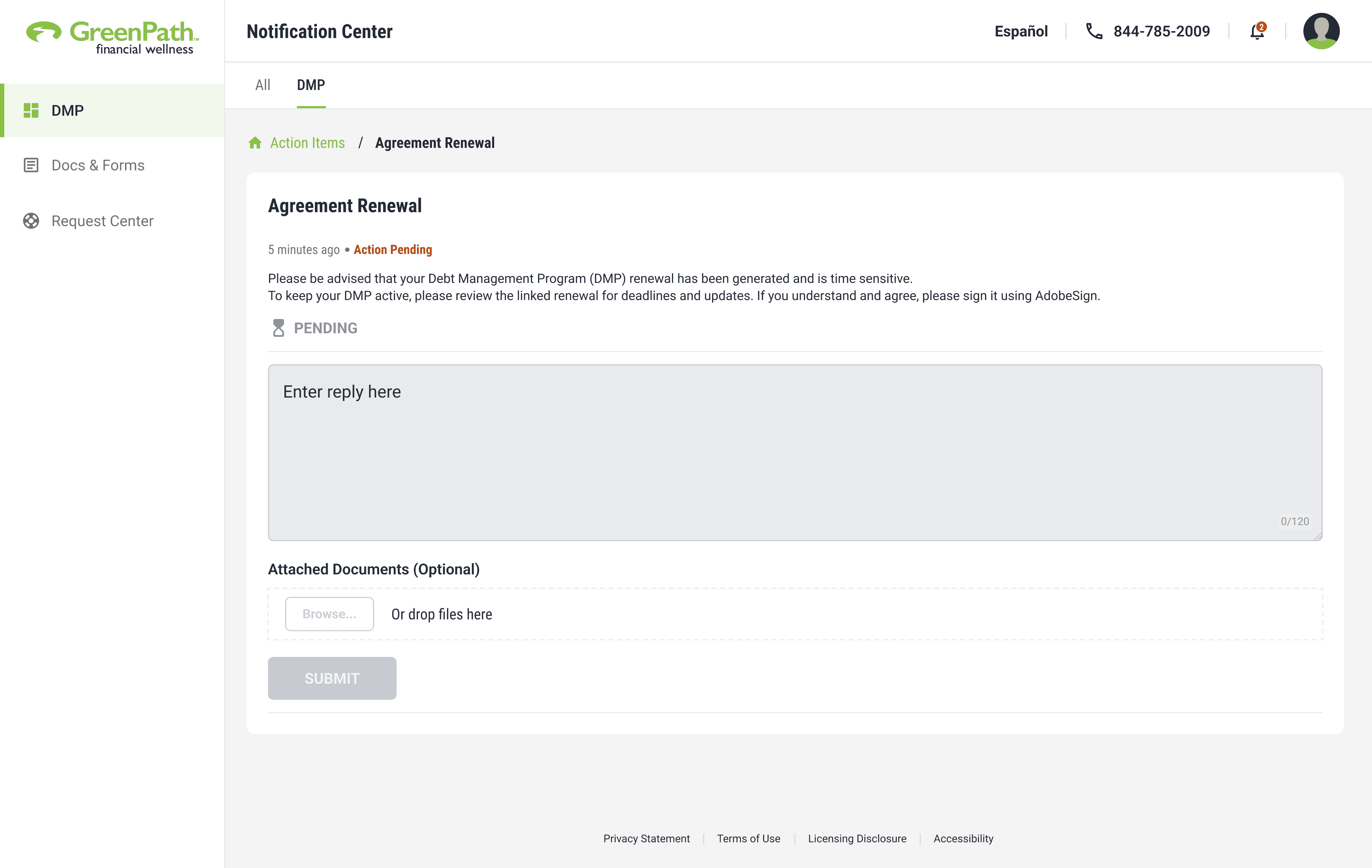
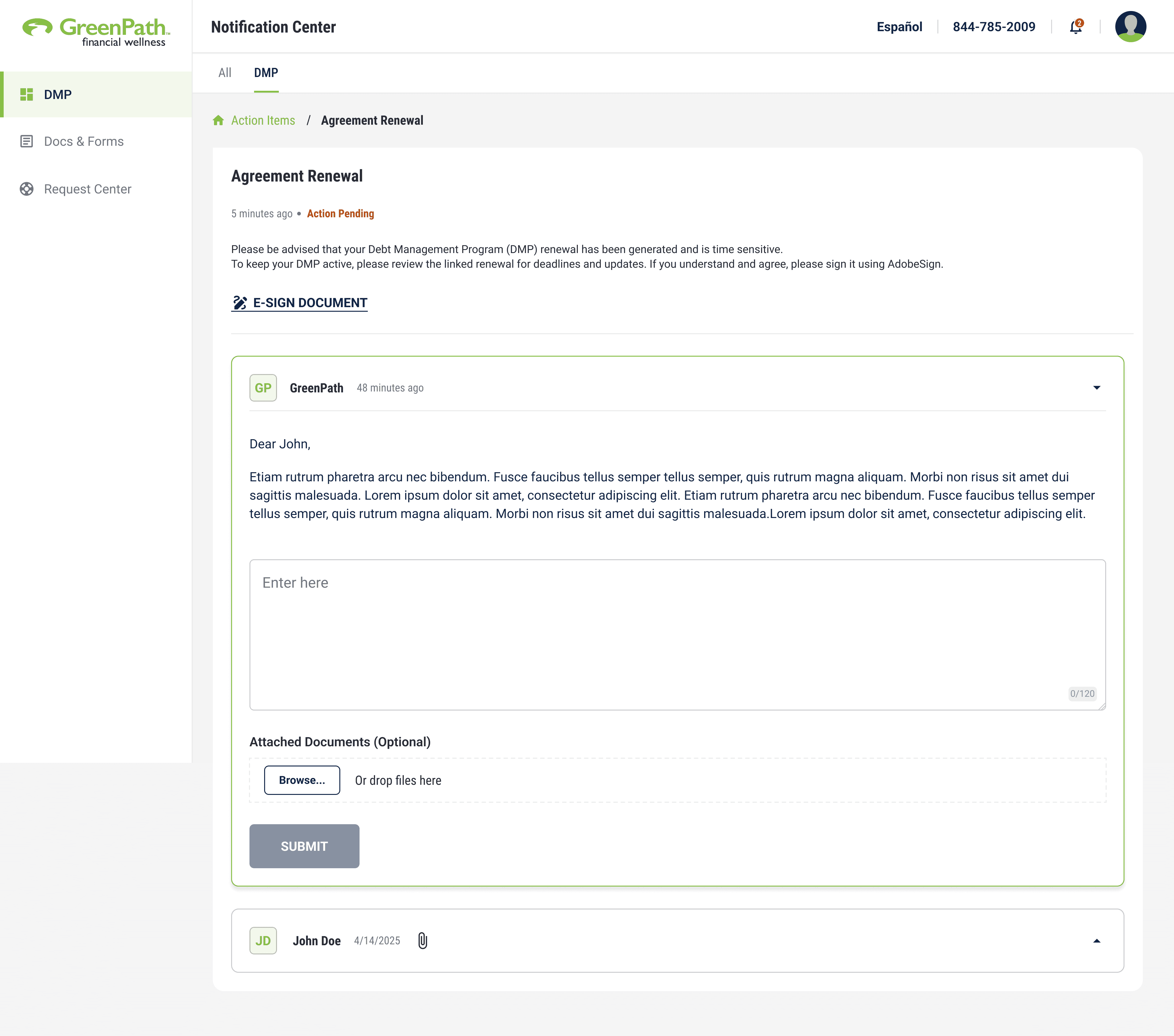
A client moves through enrollment on their own terms — disclosing only what they're ready to share, at whatever pace feels right. A counselor is available if they want one. But for the first time, it's a choice, not a requirement.
So we looked at the existing portal – and that’s where everything clicked.
The portal already existed & clients already had accounts.
But it’s UX was almost entirely un-usable beyond a monthly progress check
Functionally, it was a dead end with a login screen.
And sitting right in front of us was a two-for-one opportunity that reframed the entire project.
What Happened When We Removed the Phone Call
Within the first month of launch:
130% growth in enrollments: not through a marketing push. Through removing a phone call.
3× growth in users aged 25–45: proof the filter had been removed
28% increase in male enrollment: a demographic the phone model had been quietly excluding
1,000+ counselor hours reclaimed per month: redirected from admin tasks to actual counseling
Enrollment time: 90 minutes → 15 minutes: self-guided, private, on the user's terms
Impact Created
Apart from validating from testing, we also took the help of analytics team and tracked the defining core metrics and the usage patterns for 3 month period and these were the results.
3X
Increase in younger clients aged 25-45
10k hrs
Decrease in Phone Counseling/Support hrs
130+
New enrollment within 1st month of release
Reflections…
What this project taught me is that sometimes the barrier isn't the process — it's the exposure the process requires.
GreenPath's counselors were never the problem.
They were genuinely good at what they did. But by making them the only path to enrollment, we had inadvertently made vulnerability a prerequisite for getting help. The redesign didn't eliminate human support — it made it optional. And that distinction turned out to be everything.
The real design work here wasn't building a dashboard or an enrollment flow. It was understanding that trust doesn't always come from human contact. Sometimes it comes from control. Give people the ability to move at their own pace, disclose on their own terms, and manage their own information — and they don't need a counselor to feel safe. They already do.
That's the insight I'm carrying into every project after this one.